

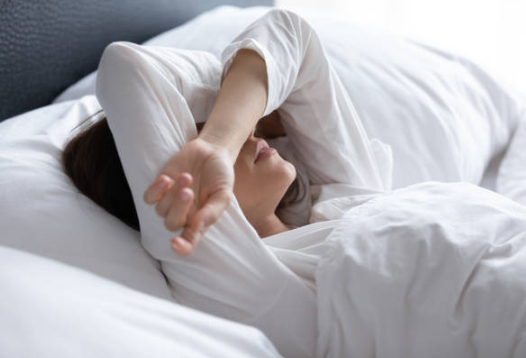
Do you feel wide awake at night but very tired in the morning? Do you struggle to fall asleep before 2 or 3 a.m., even when you try? If this sounds like you or someone you love, you may be dealing with delayed sleep phase syndrome.
Delayed sleep phase syndrome is a type of circadian rhythm disorder. It affects your body clock and changes when you feel sleepy or alert. This sleep timing disorder can impact school, work, mood, and even addiction recovery. The good news is that mental health treatment can help reset your sleep schedule and improve your health.
What Is Delayed Sleep Phase Syndrome?
Delayed sleep phase syndrome, also called late sleep phase syndrome, happens when your natural sleep time shifts much later than normal. Your body wants to fall asleep very late at night and wake up late in the day. This pattern does not match most school or work schedules.
This condition is not the same as staying up late by choice. People with this circadian rhythm disorder often try to sleep earlier but cannot. Their body clock feels stuck on a later time. When allowed to follow their natural rhythm, they may sleep well and feel rested. The problem starts when daily life requires an early wake-up time.
What Causes This Sleep Timing Disorder?
Your body has an internal clock that controls sleep and wake cycles. This clock responds to light and darkness. In delayed sleep phase syndrome, this clock runs later than usual. Several factors can affect your body clock. These include genetics, screen time at night, mental health conditions, and poor sleep habits. Teenagers and young adults often experience this sleep timing disorder.
Stress, anxiety, and depression can also make symptoms worse. If someone uses alcohol or drugs, sleep patterns may shift even more. Substance use and sleep problems often affect each other in a harmful cycle.

Skip To:
Learn More:
Get Help. Get Better. Get Your Life Back.
Searching for Accredited Dual Diagnosis Mental Health Centers Near You?
Even if therapy failed previously, or are in the middle of a difficult crisis, we stand ready to support you. Our trusted behavioral health specialists will not give up on you. When you feel ready or just want someone to speak to about counseling alternatives to change your life call us. Even if we cannot assist you, we will lead you to wherever you can get support. There is no obligation. Call our hotline today.
FREE 24/7 Dual Diagnosis Mental Health Services HotlineDelayed Sleep Phase Disorder Symptoms
Recognizing delayed sleep phase disorder symptoms can help you seek support early. Many people think they just have insomnia, but the pattern is different.
Common Signs to Watch For
People with delayed sleep phase syndrome often show these symptoms:
- Trouble falling asleep before very late hours
- Difficulty waking up in the morning
- Feeling very tired during school or work
- Better focus and energy later in the evening
- Struggles with mood due to lack of sleep
When the sleep schedule matches their natural rhythm, they may sleep normally. The main problem is the mismatch between their body clock and daily demands.
Emotional and Mental Health Effects
Lack of sleep can affect mood and thinking. You may feel irritable, sad, or anxious. Over time, chronic sleep loss can increase the risk of depression. Sleep problems also raise the risk of substance use. Some people use caffeine, alcohol, or drugs to manage their energy levels. This can lead to addiction and make the circadian rhythm disorder worse.
If you notice changes in mood or behavior, it may be time to seek help from a mental health professional.
How Delayed Sleep Phase Syndrome Affects Daily Life
This sleep timing disorder can cause stress at school or work. Repeated late arrivals or absences may lead to trouble with teachers or employers. People may label you as lazy, even though you are trying your best. Social life can also suffer. You may miss morning events or feel too tired to enjoy time with others. Over time, this isolation can affect self esteem.
For those in addiction recovery, healthy sleep is very important. Poor sleep can increase cravings and reduce focus. At We Level Up, we support both sleep and mental health through our mental health treatment programs and dual diagnosis treatment.

End the Emotional Pain. Get Your Life Back.
Feeling Depressed, Anxious or Struggling with Mental Health Illness? Get Safe Comfortable Mental Health Dual Diagnosis High-Quality Therapy From Counselors That Care. Begin Your Recovery Now.
Hotline (855) 940-6125How Is Delayed Sleep Phase Syndrome Diagnosed?
A doctor or sleep specialist can diagnose delayed sleep phase syndrome. They will ask about your sleep habits, mood, and daily routine. You may keep a sleep diary for a few weeks. Sometimes, doctors use sleep studies or wearable devices to track patterns. These tools help confirm a circadian rhythm disorder. A full evaluation may also check for depression, anxiety, or substance use.
Getting the right diagnosis is important. Treatment works best when it targets the true cause of the sleep timing disorder.
Treatment for Delayed Sleep Phase Syndrome
The goal of treatment is to reset your body clock. This process takes time and steady effort. With the right plan, many people see great improvement.
Light Therapy
Light therapy uses bright light in the morning to shift your body clock earlier. You sit near a special light box for a set amount of time each day. This helps your brain understand when it is time to wake up. Morning light exposure can slowly move your sleep schedule earlier. Consistency is key to success.
Gradual Schedule Changes
Doctors may suggest slowly moving bedtime earlier by small steps. You might shift sleep time by 15 to 30 minutes every few days. This gradual change feels more natural for the body. Sticking to the new wake up time every day is important. Sleeping in can undo progress.
Melatonin Support
Melatonin is a hormone that helps control sleep. In some cases, a doctor may suggest a low dose in the evening. Taking it at the right time can help signal your body to prepare for sleep. You should always talk with a healthcare provider before using supplements.
First-class Facilities & Amenities
World-class High-Quality Mental Health Services & Behavioral Health Substance Abuse Treatment
Rehab Centers TourRenowned Mental Health Centers. Serene Private Facilities. Inpatient Rehab Programs Vary.
Mental Health Helpline (855) 940-6125Proven recovery success experience, backed by a Team w/ History of:
15+
Years of Unified Experience
100s
5-Star Reviews Across Our Centers
10K
Recovery Successes
- Comprehensive Dual-Diagnosis Treatment
- Complimentary Family & Alumni Programs
- Coaching, Recovery & Development Events
- Comfortable Onsite Medical Detox Center
Healthy Sleep Habits That Help
Simple changes at home can support treatment. These habits strengthen your natural body clock.
- Wake up at the same time each day
- Get morning sunlight when possible
- Avoid screens one hour before bed
- Keep your bedroom dark and cool
- Limit caffeine in the afternoon and evening
- Avoid alcohol before bedtime
These small actions support long-term change. Over time, they help your body learn a healthier rhythm.
When to Seek Professional Help
If delayed sleep phase disorder symptoms affect work, school, or mood, it is time to seek help. You do not have to struggle alone. Sleep issues often connect to mental health and addiction. Warning signs include deep sadness, strong anxiety or using substances to cope with fatigue. These patterns can grow worse without care.
At We Level Up, our licensed team treats both sleep and emotional health. We understand how closely they connect. With the right support, healing becomes possible.
World-class, Accredited, 5-Star Reviewed, Effective Mental Health Dual Diagnosis Programs. Complete Integrated Inpatient Rehab with Free Post Discharge Therapy Planning.
CALL (855) 940-6125End the Emotional Pain Rollercoaster. Gain Stability & Happiness Through Recovery Treatment. Start Mental Health Counseling Today. Get Free No-obligation Guidance by Behaviroal Health Specialists Who Understand Mental Health Recovery.
DiaLiving Well With a Circadian Rhythm Disorder
Living with delayed sleep phase syndrome can feel frustrating. Others may not understand that this is a real medical condition. With inpatient treatment and support, you can build a healthier routine. Patience is important because body clock changes take time. Celebrate small wins as your schedule improves. Stay connected with healthcare providers who guide you through each step.
Healthy sleep supports clear thinking, stable mood and strong recovery. When your sleep improves, many other parts of life improve too.
Experience Transformative Recovery at the We Level Up Treatment Center.
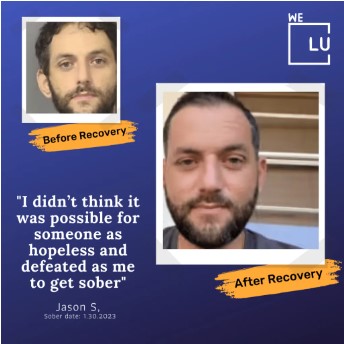
See our authentic success stories. Get inspired. Get the help you deserve.
Start a New Life
Begin with a free call to a behavioral health treatment advisor. Learn more about our dual-diagnosis programs. The We Level Up treatment center network delivers recovery programs that vary by each treatment facility. Call to learn more.
- Personalized Care
- Caring Accountable Staff
- Comfortable Amenities
- Licensed & Accredited
- Renowned w/ 5-Star Reviews
We’ll Call You
Popular FAQs about Delayed Sleep Phase Syndrome
-
What is delayed sleep phase syndrome?
Delayed sleep phase syndrome is a circadian rhythm disorder where a person falls asleep and wakes up much later than normal. It affects daily life and responsibilities.
-
Is delayed sleep phase syndrome the same as insomnia?
No. People with this sleep timing disorder can sleep well if they follow their natural late schedule. Insomnia usually means trouble sleeping at any time.
-
Who is most likely to develop late sleep phase syndrome?
Teenagers and young adults are most affected. Genetics and lifestyle habits also play a role.
-
Can mental health affect this condition?
Yes. Depression, anxiety and substance use can worsen delayed sleep phase disorder symptoms.
-
How long does treatment take?
Improvement can take weeks to months. Consistency with light therapy and sleep habits is very important.
-
Can this condition be cured?
Many people manage symptoms well with treatment. Some may always prefer later sleep times but can learn strategies to function better.
8 Steps & Tips for Maintaining Your Mental Wellbeing Informative Video
Video Script
We at We Level Up FL are dedicated to personalized mental health services tailored to each person’s unique needs. Our experienced team collaborates closely with clients to create therapy programs that address their challenges and align with their goals. With empathy and support, we empower individuals to take an active role in their mental health journey by providing tools and strategies. We encourage exploration, self-discovery, and growth in a safe and nurturing environment. We understand that everyone is different, so we listen attentively and develop customized therapy plans based on individual concerns, strengths, and aspirations.
Better Sleep Starts With the Right Support
Delayed sleep phase syndrome is more than just staying up late. It is a real circadian rhythm disorder that affects mood, work, school, and recovery. With proper diagnosis and treatment, your body clock can improve. Light therapy, healthy habits, and professional care make a big difference. If you or someone you love struggles with sleep and mental health, reach out to We Level Up today. Our caring team will guide you toward better sleep, stronger recovery, and a healthier future.