
Migraine and Depression: Understanding the Connection
When you have headaches often, they can affect more than just your head. Every day, the pain can change how you feel, think, and do things. Many people who get headaches also have problems with being sad, tired, or stressed out emotionally. These signs may turn into sadness over time.
People can identify when they need support by understanding the link between migraine and depression. Professional care at We Level Up FL can help you start getting better from depression and migraine if they are interfering with your daily life.
Table of Contents
What Is the Connection Between Migraine and Depression?
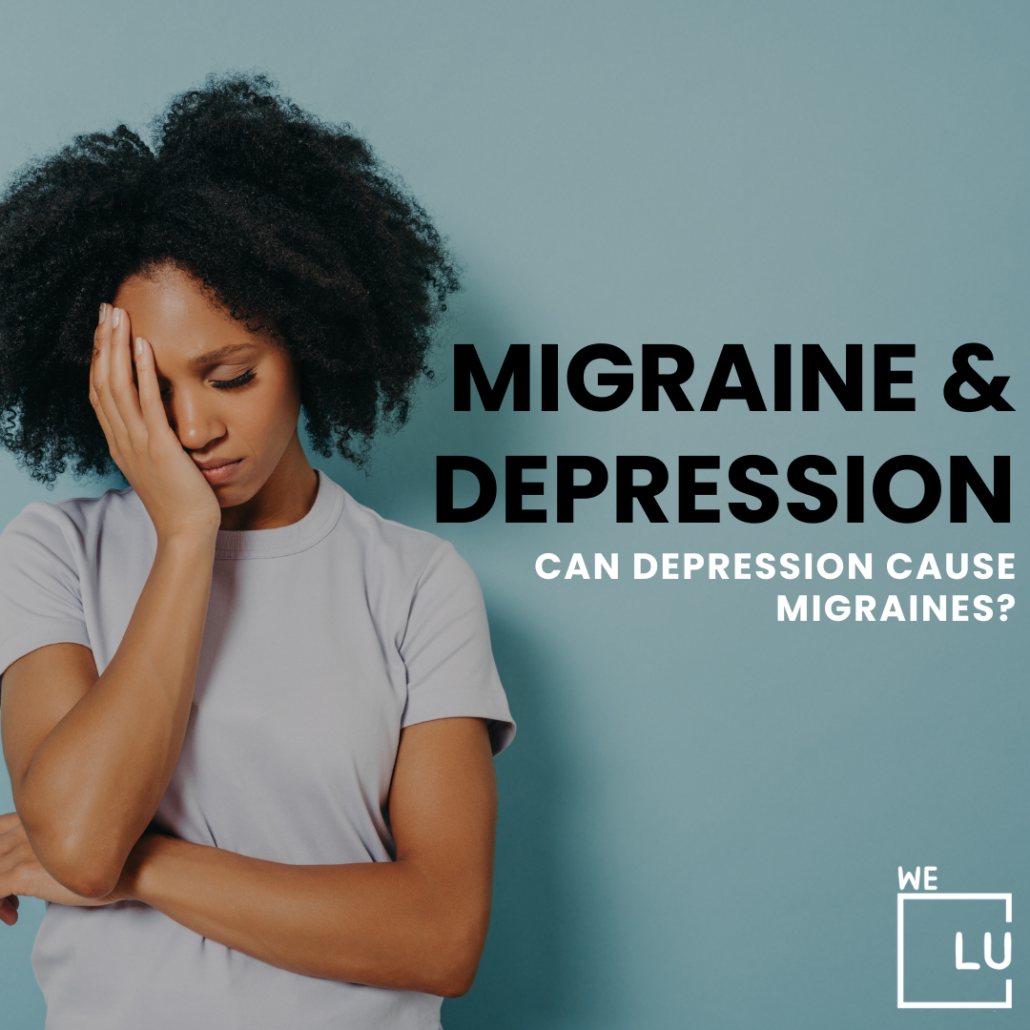
The migraine depression connection is strong, according to research. People who get headaches often are more likely to become depressed. You can also have the connection go the other way. Migraines are also more likely to happen to people who are depressed.
This is because both diseases affect the brain in the same way. Mood, pain, and worry are all controlled by chemicals in the brain that change. Serotonin and dopamine are two of these chemicals.
Migraines can affect mental health because these processes are linked. That being said, mental worry can also cause headaches. In the absence of care, this can make it hard to break the cycle.
Learn More:
- Do Crystals For Depression Work?
- Depression and ADHD: What’s the Link?
- Autism and Depression Connection, Diagnosis & Treatment
- Signs of Depression in Men, Causes, & What to Know
- Rehab for Depression & Anxiety Treatment
- Short-Term Disability Mental Health
- Depression and Anxiety Therapist Fort Lauderdale. EMDR Therapy Fort Lauderdale.
- Learn How to Cope with Depression. 10 Ways to Cope with Depression.
- What Is Mild Depression? Symptoms & Treatment
Get Help. Get Better. Get Your Life Back.
Searching for Accredited Dual Diagnosis Mental Health Centers Near You?
Even if therapy failed previously, or are in the middle of a difficult crisis, we stand ready to support you. Our trusted behavioral health specialists will not give up on you. When you feel ready or just want someone to speak to about counseling alternatives to change your life call us. Even if we cannot assist you, we will lead you to wherever you can get support. There is no obligation. Call our hotline today.
FREE 24/7 Dual Diagnosis Mental Health Services Hotline
How Migraines Affect Mental Health
Not all migraines are the same as headaches. These are brain events that can make daily life hard. Many people have intense headaches, sensitivity to light, nausea, and trouble focusing.
When headaches happen often, they can be hard on emotions. Some people worry about when the next attack will happen. Plans may fall through or they may miss work. These problems can hurt your mood and trust over time.
When migraines are regular or severe, the headaches and depression link grows stronger. People might start to feel alone or like there is no way out. Having this much mental weight on top of the pain can make it feel even worse.
How Migraine Symptoms Affect Emotional Well Being
People who get headaches often have to deal with more than just pain. Migraine symptoms can include severe headaches, feeling sick, being sensitive to light, and having trouble concentrating. You might feel this way for hours or even days. Everyday jobs get really hard during this time.
Numerous individuals with migraine experience pain that interferes with their ability to work, attend school, or spend time with their families. Plans could be canceled, and it could get harder to handle your obligations. These problems can cause mental stress over time.
Depressive symptoms like sadness, low energy, or lack of drive may start to appear in people who get migraines frequently. They might be angry that the pain keeps coming back. This mental stress can slowly hurt your confidence and health as a whole.
Migraines can also make other health problems worse. People who get chronic headaches often have trouble sleeping, don’t exercise much, and are very stressed. These changes might have an impact on your mental and physical health.

End the Emotional Pain. Get Your Life Back.
Feeling Depressed, Anxious or Struggling with Mental Health Illness? Get Safe Comfortable Mental Health Dual Diagnosis High-Quality Therapy From Counselors That Care. Begin Your Recovery Now.
Hotline (855) 940-6125Symptoms of Migraine and Depression Together
When migraine and depression occur together, the symptoms may overlap. Recognizing these signs can help people seek support earlier.
Common symptoms include:
- Persistent sadness or low mood
- Loss of interest in daily activities
- Frequent headaches or migraine attacks
- Trouble sleeping or sleeping too much
- Difficulty concentrating
- Low energy and fatigue
Some people also feel stressed or too much to handle. After months or years of migraine pain, these changes in mood often happen.
Why Chronic Migraines Can Lead to Depression
Chronic migraine mental health issues have a complicated connection. A lot of things can make you more likely to get depressed. First, long-term pain alters how the brain responds to stress. Tension builds up inside the body all the time. Over time, this can make you less emotionally strong.
Second, headaches often make it hard to do normal things. People might stop working out, going to social events, or going to work regularly. Not having a routine can make you feel less confident and throw off your mental balance. Third, headaches might alter how the brain works. These changes in the brain can affect how well you control your mood. Because of these things, headaches can slowly hurt your mental health.
First-class Facilities & Amenities
World-class High-Quality Mental Health Services & Behavioral Health Substance Abuse Treatment
Rehab Centers TourRenowned Mental Health Centers. Serene Private Facilities. Inpatient Rehab Programs Vary.
Mental Health Helpline (855) 940-6125Proven recovery success experience, backed by a Team w/ History of:
15+
Years of Unified Experience
100s
5-Star Reviews Across Our Centers
10K
Recovery Successes
- Comprehensive Dual-Diagnosis Treatment
- Complimentary Family & Alumni Programs
- Coaching, Recovery & Development Events
- Comfortable Onsite Medical Detox Center
Migraine and Mental Health Disorders
A lot of studies have been done on the link between migraines and mental health problems. Individuals with migraine are more likely to experience certain mental health problems, according to studies.
Some of these conditions are psychiatric disorders or affective disorders. Mood, thinking, and emotional balance are all affected by these illnesses. One of the most common diseases associated with migraines is depression, but not only that.
The brain’s structure makes this link possible. Both migraines and mood disorders affect the brain and the chemicals that control mood. When these processes aren’t working right, it can cause both physical and emotional pain. Providers can make better treatment plans when they understand this link. Doctors and nurses often treat mental health issues along with headaches.
People often get better faster when they get care for both conditions at the same time. Taking care of migraines, reducing stress, and treating depressive symptoms simultaneously can make daily life easier and improve overall quality of life.
How Depression Can Trigger Migraines
Migraines and neurological mood disorders have a mutually beneficial link. Headaches can be caused by emotional worry. Depression often makes it hard to sleep, makes you tired, and raises your stress levels. These changes may raise the risk of migraines.
People who are depressed may also have tense muscles and be very sensitive to pain. This might make headaches worse or happen more often. Knowing this link helps doctors treat both diseases at the same time.
The Role of Stress and Lifestyle Factors
Stress is one of the strongest triggers in the migraine depression connection. Emotional pressure can increase muscle tension and brain sensitivity.
Other lifestyle factors may also contribute, including:
- Poor sleep patterns
- Irregular meals
- Lack of physical activity
- Alcohol or substance use
- High levels of daily stress
When these things happen along with headaches, mental health may get worse. Getting into healthy habits can help with both migraines and mental problems.
Diagnosing Migraine and Depression
A full assessment is needed to confirm the diagnosis of migraine and depression. A doctor looks at the patient’s symptoms, medical background, and how they normally live their life.
Providers often want to know how often headaches happen, how your emotions change, and how stressed you are. Sometimes, tools for checking for mental health may also be used.
These tests help figure out how emotional complaints and migraines affect each other. Professionals can suggest the best treatment plan when they know the whole picture.
Diagnosing Migraine and Depression
A full assessment is needed to confirm the diagnosis of migraine and depression. A doctor looks at the patient’s symptoms, medical background, and how they normally live their life.
Providers often want to know how often headaches happen, how your emotions change, and how stressed you are. Sometimes, tools for checking for mental health may also be used.
These tests help figure out how emotional complaints and migraines affect each other. Professionals can suggest the best treatment plan when they know the whole picture.
Treatment Options for Migraine and Depression
Treating both problems at the same time makes recovery better. Getting both physical and mental health care often works best.
Therapy
People who go to therapy can learn more about how stress, emotions, and migraines interact. Cognitive-behavioral therapy can help people better manage problems and think less negatively. People who have been under a lot of stress for a long time may also benefit from trauma-informed therapy.
Medication Management
Doctors may give you medicines that help with both migraines and sadness. These medicines can help keep brain chemicals in check and ease symptoms. Taking care of medications makes sure that treatment stays safe and successful.
Lifestyle Support
Healthy daily habits can reduce migraine triggers and improve mood.
Helpful strategies include:
- Maintaining regular sleep schedules
- Eating balanced meals
- Practicing relaxation techniques
- Engaging in light physical activity
These changes are good for your mental and physical health.
World-class, Accredited, 5-Star Reviewed, Effective Mental Health Dual Diagnosis Programs. Complete Integrated Inpatient Rehab with Free Post Discharge Therapy Planning.
CALL (855) 940-6125End the Emotional Pain Rollercoaster. Gain Stability & Happiness Through Recovery Treatment. Start Mental Health Counseling Today. Get Free No-obligation Guidance by Behaviroal Health Specialists Who Understand Mental Health Recovery.
Why Choose We Level Up FL
Treating migraine and depression requires a comprehensive approach. At We Level Up FL, clients receive compassionate care that addresses both mental health and physical symptoms.
Services include:
- Psychiatric evaluations
- Medication management
- Residential mental health programs
- Inpatient treatment
- PHP
- Dual diagnosis care
- Trauma-informed therapy, including EMDR
- Individual, group, and family counseling
Each person’s care plan is made just for them. The goal is to keep symptoms stable, help people get better at coping, and help them heal for good. People who need help get it in an organized and supportive setting where they can start to heal.
The Importance of Early Treatment
Many people with headaches wait years before getting help for their mental health. If you get care right away, your symptoms might not get worse.
Getting better is easier when you treat both your migraines and your sadness at the same time. Getting care early on can help people get back on track with their jobs, relationships, and daily lives.
Getting educated also helps dispel stereotypes. People are more likely to get help when they know that migraines and mood problems are medical conditions.
Living Well With Migraine and Depression
Managing chronic migraine mental health challenges requires patience and support. Many people learn to control symptoms through treatment, therapy, and healthy habits. Building a strong support system can also make a difference. Friends, family, and healthcare providers all play a role in recovery.
With the right care plan, people can reduce migraine frequency and improve emotional well-being. Healing takes time, but improvement is possible.
Frequently Asked Questions
What is the connection between migraine and depression?
The connection exists because both conditions affect similar brain chemicals and stress systems. People with migraines have a higher risk of developing depression.
Can migraines cause depression?
Yes. Chronic migraines can disrupt work, sleep, and social life. Over time, these challenges can lead to emotional distress and depression.
Can depression trigger migraines?
Depression can increase stress hormones, disrupt sleep, and affect pain sensitivity. These changes may trigger migraine attacks.
How are migraine and depression treated together?
Treatment often includes therapy, medication management, and lifestyle changes that support both neurological and emotional health.
How does We Level Up FL help?
We Level Up FL provides psychiatric evaluations, residential mental health programs, inpatient treatment, medication management, trauma-informed therapy, and dual diagnosis care.
When should someone seek help for migraines and depression?
You should seek help if migraines occur often and emotional symptoms such as sadness, fatigue, or anxiety last longer than two weeks.
Begin Your Healing Journey Today
Living with migraine and depression can feel exhausting and isolating. Pain and emotional weight may make each day feel harder than the last. You do not have to carry that burden alone. At We Level Up FL, compassionate professionals understand how migraines and emotional health are connected.
Our team creates personalized care plans that help restore balance, strength, and hope. You deserve relief from pain and the chance to feel like yourself again. Call (855) 940-6125 today and take the first step toward healing.
Clinical Depression Symptoms and Signs
Experience Transformative Recovery at the We Level Up Treatment Center.
See our authentic success stories. Get inspired. Get the help you deserve.



Start a New Life
Begin with a free call to a behavioral health treatment advisor. Learn more about our dual-diagnosis programs. The We Level Up treatment center network delivers recovery programs that vary by each treatment facility. Call to learn more.
- Personalized Care
- Caring Accountable Staff
- Comfortable Amenities
- Licensed & Accredited
- Renowned w/ 5-Star Reviews