

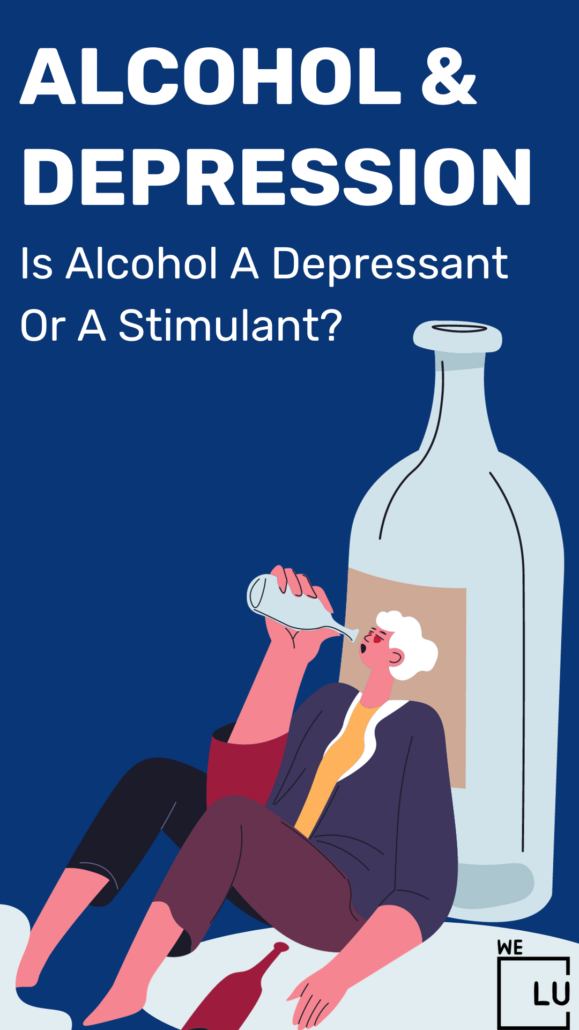
Alcohol and depression often happen at the same time and can create a hard cycle. This cycle can affect feelings, actions, and overall well-being. Many people use alcohol to cope with sadness, stress, or anxiety, but this habit can make things worse over time.
Understanding the alcohol and depression connection is very important for spotting risks and getting help early. When not treated, this mix can lead to serious mental health issues, problems in relationships, and a lower quality of life.
At We Level Up FL, we offer caring, proven treatment to help people manage alcohol use and depression together.y. Additionally, addressing any issues related to alcohol use or abuse is vital for overall well-being.
Alcohol and Depression: Does Alcohol Cause Depression?
Alcohol can lead to depression, especially when a person drinks often or drinks large amounts. Some people feel better for a short time, but alcohol affects the brain in ways that can hurt mood.
Over time, drinking alcohol depression effects may include more sadness, anger, or feeling numb. These changes can make daily life harder. This shows how alcohol worsening depression symptoms can become a serious problem.
Alcohol slows down the brain and changes how it works. It affects chemicals like serotonin, which helps control mood. When serotonin drops, it becomes harder to feel happy or calm.
Because of this, people who drink a lot may have deeper depressive episodes. They may also find it harder to feel better without help. The mental health alcohol impact grows when drinking becomes a regular way to cope.
The alcohol and depression link also includes habits that build over time. A person may start using alcohol to deal with depression and anxiety. This can lead to dependence and more problems.
This can turn into alcohol misuse and increase the risk of alcohol use disorder (AUD). When both problems happen together, they can make each other worse. This makes recovery harder without the right care.
Research shows that heavy drinking and binge drinking increase the risk of major depressive disorder. People with symptoms of depression may also turn to alcohol addiction to cope.
Sadly, this often makes things worse. It can increase symptoms of depression and keep the cycle going. Alcohol use mood disorders and untreated depression can lead to long-term mental health conditions.
Alcohol also affects sleep, health, and relationships. Poor sleep and daily stress can make depressive episodes worse. These problems can make it harder to recover.
Issues with a family member or feeling alone can increase sadness. These problems show why early help is very important for alcohol misuse and depression.
Professional treatment is important because it treats both problems at the same time. Care plans may include therapy, medical help, and relapse prevention.
Without help, people may stay stuck in a cycle of substance abuse and mental health issues. Getting help early can improve recovery from alcohol and depression.
The National Institute of Mental Health reports that millions of adults have major depressive disorder each year. Many also struggle with substance abuse.
This shows how common depression and anxiety are with alcohol use disorders. Getting help early can lower risks and support better mental health.
Skip To:
Learn More:
- Do Crystals For Depression Work?
- Depression and ADHD: What’s the Link?
- Autism and Depression Connection, Diagnosis & Treatment
- Signs of Depression in Men, Causes, & What to Know
- Rehab for Depression & Anxiety Treatment
- Accredited We Level Up FL Mental Health Center. Seeking a Fort Lauderdale Behavioral Health Center or Therapist Fort Lauderdale Providers? We’re Ready to Help.
- Learn How to Cope with Depression. 10 Ways to Cope with Depression.
- Inspirational Postpartum Depression Quotes to Cheer You Up
- Are There Stages of Depression? Understanding Symptoms, Causes, and Effective Treatments
- 5 Postpartum Depression Medications That Work
The We Level Up Mental Health Centers can help empower families affected by Alcohol and Depression and their loved ones with valuable insights into effective coping strategies and recovery therapy. Call today for a free Dual Diagnosis assessment.
We Level Up Major Depressive Disorder Center Tips and Strategies
Coping with depression can be challenging, but it’s essential to recognize that you’re not alone – you have a support network. To enhance your overall mental health, create a daily routine that includes self-care and shows self-compassion, especially during challenging moments. Don’t hesitate to contact friends, family, healthcare experts, or therapists for help. And remember to celebrate even the smallest accomplishments, as they indicate your progress. Engaging in regular physical activity, whether it’s a leisurely walk or practicing yoga, can also have a positive effect on your emotional well-being.
Get Help. Get Better. Get Your Life Back.
Searching for Accredited Dual Diagnosis Mental Health Centers Near You?
Even if therapy failed previously, or are in the middle of a difficult crisis, we stand ready to support you. Our trusted behavioral health specialists will not give up on you. When you feel ready or just want someone to speak to about counseling alternatives to change your life call us. Even if we cannot assist you, we will lead you to wherever you can get support. There is no obligation. Call our hotline today.
FREE 24/7 Dual Diagnosis Mental Health Services Hotline
Signs You May Need Alcohol and Depression Treatment
- Ongoing sadness or symptoms of depression that do not get better
- Using alcohol more often to deal with stress or anxiety
- Depressive episodes after heavy drinking or binge drinking
- Trouble with relationships or conflict with a family member
- Loss of interest in activities you once enjoyed
- Sleep problems, fatigue, or appetite changes
- Trouble to stop drinking despite drinking alcohol depression effects

End the Emotional Pain. Get Your Life Back.
Feeling Depressed, Anxious or Struggling with Mental Health Illness? Get Safe Comfortable Mental Health Dual Diagnosis High-Quality Therapy From Counselors That Care. Begin Your Recovery Now.
Hotline (855) 940-6125First-class Facilities & Amenities
World-class High-Quality Mental Health Services & Behavioral Health Substance Abuse Treatment
Rehab Centers TourRenowned Mental Health Centers. Serene Private Facilities. Inpatient Rehab Programs Vary.
Mental Health Helpline (855) 940-6125Proven recovery success experience, backed by a Team w/ History of:
15+
Years of Unified Experience
100s
5-Star Reviews Across Our Centers
10K
Recovery Successes
- Comprehensive Dual-Diagnosis Treatment
- Complimentary Family & Alumni Programs
- Coaching, Recovery & Development Events
- Comfortable Onsite Medical Detox Center
Why Choose We Level Up for Alcohol and Depression Treatment?
We Level Up offers full care to treat alcohol addiction and mental health conditions together. Our programs focus on the alcohol and depression link with proven therapy and care plans.
Our trained team supports each person with care and skill. We make sure treatment fits each person’s needs and goals.
We offer medical detox, therapy, and mental health support. Our safe setting helps people stay stable and make progress.
We treat alcohol use mood disorders along with depression and anxiety. This helps break the cycle of alcohol worsening depression symptoms.
We also use holistic care like mindfulness and group therapy. These help improve overall health and well-being.
Support group care helps people feel less alone and build strong connections. This supports long-term healing.
We also help after treatment with relapse plans and ongoing care. Clients learn skills to manage stress and live healthier lives.
Ready to get started? Call (888) 606-5120 or email verifyadmissions@welevelup.com today. A better life is waiting for you.

World-class, Accredited, 5-Star Reviewed, Effective Mental Health Dual Diagnosis Programs. Complete Integrated Inpatient Rehab with Free Post Discharge Therapy Planning.
CALL (855) 940-6125End the Emotional Pain Rollercoaster. Gain Stability & Happiness Through Recovery Treatment. Start Mental Health Counseling Today. Get Free No-obligation Guidance by Behaviroal Health Specialists Who Understand Mental Health Recovery.
Depression Fact Sheet
Depression Overview
Depression is a group of illnesses like depression or bipolar disorder that are connected to mood elevation or depression
Types of Depression
Clinical Depression: A mental health disorder characterized by persistently depressed mood or loss of interest in activities, causing significant impairment in daily life.
Persistent depressive disorder: A mild but long-term form of depression.
Bipolar disorder: A disorder associated with episodes of mood swings ranging from depressive lows to manic highs.
Bipolar II disorder: A type of bipolar disorder characterized by depressive and hypomanic episodes.
Postpartum depression: Depression that occurs after childbirth.
Depression Treatments
- Support group: A place where those pursuing the same disease or objective, such as weight loss or depression, can receive counseling and exchange experiences.
- Cognitive behavioral therapy: A conversation treatment that aimed to change the negative attitudes, actions, and feelings connected to psychiatric discomfort.
- Counseling psychology: A subfield of psychology that handles issues with the self that are connected to work, school, family, and social life.
- Anger management: To reduce destructive emotional outbursts, practice mindfulness, coping skills, and trigger avoidance.
- Psychoeducation: Mental health education that also helps individuals feel supported, validated, and empowered
- Family therapy: psychological counseling that improves family communication and conflict resolution.
Learn more with the Depression Disorder PDF download below. Source: Samhsa.gov.
Depression & Anxiety Statistics
It’s critical to understand the distinction between anxiety and depression. Anxiety, in its most basic form, is an excessive feeling of worry, whereas depression, in its most basic form, is an extreme feeling of worthlessness and hopelessness. It is conceivable for someone to experience depression and anxiety simultaneously.
6.8 million
GAD affects 6.8 million adults, or 3.1% of the U.S. population, yet only 43.2% are receiving treatment.
Source: National Institute on Mental Health
19 million
19 million adults experience specific phobias, making it the most common anxiety disorder in America.
Source: ADAA, 2020
17.3 million
Major depressive disorder affects approximately 17.3 million American adults or about 7.1% of the U.S. population aged 18 and older.
Source: National Institute of Mental Health
What to Expect During Alcohol and Depression Treatment
Treatment starts with a full check of alcohol use and mental health conditions. This helps build the right care plan.
Plans are made to treat alcohol misuse and symptoms of depression together. This helps from the very start.
Some people may need medical detox to safely stop drinking. This is done in a safe and supervised place.
Doctors and staff watch closely to keep clients safe and comfortable. After detox, clients can focus on healing.
Therapy helps people understand thoughts and actions. It teaches better ways to cope and manage stress.
People learn new skills to replace harmful habits. Group therapy also offers support and shared stories.
Relapse prevention helps people stay on track after treatment. Clients learn how to avoid triggers.
Support group care helps build strength and keep progress going. This helps long-term recovery from alcohol and depression.
Benefits of Alcohol and Depression Treatment
- Treats mental health and addiction at the same time
- Care plans made for each person’s needs
- Better mood and fewer symptoms of depression and anxiety
- Strong coping skills for stress
- Support group help and less isolation
- Long-term plans to prevent relapse
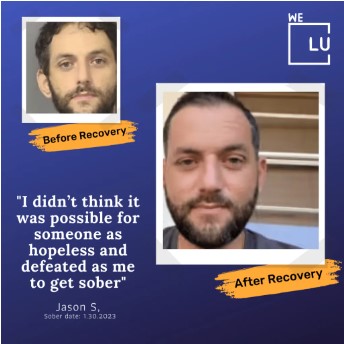
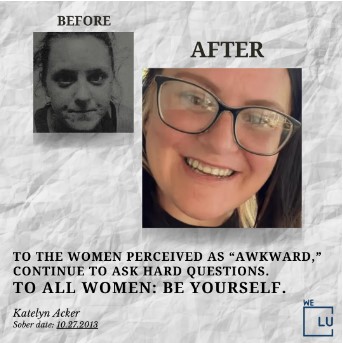
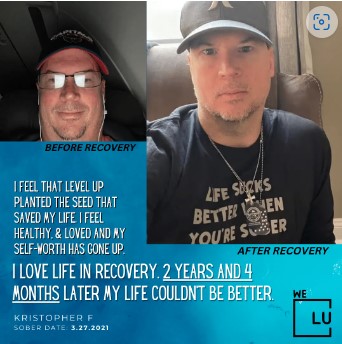
Experience Transformative Recovery at the We Level Up Treatment Center.
See our authentic success stories. Get inspired. Get the help you deserve.
Start a New Life
Begin with a free call to a behavioral health treatment advisor. Learn more about our dual-diagnosis programs. The We Level Up treatment center network delivers recovery programs that vary by each treatment facility. Call to learn more.
- Personalized Care
- Caring Accountable Staff
- Comfortable Amenities
- Licensed & Accredited
- Renowned w/ 5-Star Reviews
We’ll Call You
FAQs About Alcohol and Depression
What is the alcohol and depression link?
The alcohol and depression link means alcohol use and mental health problems are connected. Alcohol changes brain chemicals and can increase sadness or anxiety. People may drink to feel better, but this can lead to worse depressive episodes. Over time, alcohol misuse can make mental health issues worse. Getting help can treat both problems together.
Can drinking alcohol cause depression symptoms?
Yes, drinking alcohol can cause symptoms of depression, especially with heavy drinking. Alcohol slows the brain and affects mood. People may feel sad, angry, or tired. These feelings can grow worse over time. Treatment can help improve both drinking habits and mental health.
How does alcohol worsen depression symptoms?
Alcohol worsening depression symptoms happens because it changes brain chemicals and sleep. Low serotonin and poor sleep can make moods worse. People may feel more sad and have trouble with daily tasks. This can lead to more drinking. Treatment helps break this cycle.
What are the signs of alcohol use disorder (AUD) with depression?
Signs include sadness, more drinking, and trouble stopping alcohol use. People may avoid others, feel tired, or lose focus. Problems with a family member may also happen. These signs show a need for help. Early treatment can improve recovery.
Can stopping alcohol improve depression?
Yes, stopping alcohol can help improve mood. The brain can heal and balance chemicals again. Some people may still need therapy for depression and anxiety. Combining both helps long-term recovery.
Why is professional treatment important for alcohol and depression?
Professional treatment helps treat both alcohol and depression at the same time. Therapy and medical care support recovery. Without help, the cycle may continue. Treatment improves outcomes and health.
What therapies are used for alcohol and depression treatment?
Therapies include talk therapy, group therapy, and holistic care. These help people learn new coping skills. Support group care also helps people feel less alone. This supports recovery.
How long does alcohol and depression treatment take?
Treatment time for alcohol and depression depends on each person. Some need weeks, others need months. Ongoing care helps keep progress. Staying consistent helps long-term recovery.
How to Get Started with Alcohol and Depression Treatment
Taking the first step toward recovery begins with reaching out for professional support and guidance. Contacting a treatment provider allows individuals to discuss symptoms, verify insurance coverage, and schedule an initial consultation.
Early intervention can prevent symptoms from worsening and provide a structured plan for recovery. With the right support, individuals can begin building healthier habits and improving overall well-being.
If you or a loved one is struggling with alcohol and depression, help is available today. Call We Level Up FL at (888) 606-5120 to speak with a caring professional about treatment options. Our team is ready to guide you through every step. Take control of your mental health and start your journey toward lasting healing and stability now.
Ready to get started? Call (888) 606-5120 or email verifyadmissions@welevelup.com today. A better life is waiting for you.
Watch the We Level Up Major Depressive Disorder Informative Video
Video Script
At We Level Up FL, our primary objective is to offer individualized mental health services. Our highly trained experts collaborate closely with our clients to develop tailored therapy programs encourage personal growth and resilience. We place significant importance on establishing a secure and nurturing environment for self-exploration, crafting therapy plans that align with each person’s experiences. We aim to foster a therapeutic partnership where clients are genuinely heard and empowered throughout their distinctive mental health journey. We hold collaboration in high regard and employ a holistic approach to advance lasting well-being.
Discover effective inpatient treatment for Major Depressive Disorder at We Level Up. Seek professional assistance from our proficient therapists. Begin receiving support by making a free call to our Major Depressive Disorder helpline.
Search We Level Up FL Anxiety and Depression Resources
Sources
- We Level Up FL – Depression After Drinking – https://welevelupfl.com/behavioral-health/depression-after-drinking/
- National Institute on Alcohol Abuse and Alcoholism – Alcohol and the Brain: An Overview – https://www.niaaa.nih.gov/publications/alcohol-and-brain-overview
- National Institute of Mental Health – Major Depression Statistics – https://www.nimh.nih.gov/health/statistics/major-depression
- MedlinePlus – Alcohol Use Disorder (AUD) – https://medlineplus.gov/alcoholusedisorderaud.html
- PubMed Central – Alcohol Use, Abuse, and Depression Study – https://pmc.ncbi.nlm.nih.gov/articles/PMC6799954/