

ADHD and anxiety often happen at the same time, making daily life feel hard and confusing to manage alone. Many people deal with racing thoughts, poor focus, and constant worry that affects relationships, work, and overall well-being.
When these conditions happen together, symptoms can feel stronger and harder to understand. This makes it harder to find the cause and get effective treatment. Understanding ADHD anxiety comorbidity is the first step toward recovery and better quality of life.
At We Level Up FL, we offer caring, evidence-based treatment to help manage both conditions and regain control.
Is Anxiety A Symptom Of ADHD?
ADHD and anxiety are closely linked, but anxiety is not always a direct symptom of ADHD. Many people with ADHD feel anxious because they struggle with executive functioning, time management, and daily tasks.
These struggles can cause stress, which leads to anxious thoughts and feeling overwhelmed. Over time, this stress can turn into a separate mental health condition that needs treatment.
Research shows that ADHD anxiety comorbidity is very common among individuals diagnosed with ADHD. According to the National Institute of Mental Health, nearly 60% of adults with ADHD have at least one additional mental health condition.
Anxiety disorders, like generalized anxiety disorder (GAD), are very common in people with ADHD. This shows why it is important to get the right diagnosis and proper treatment.
People with ADHD often feel pressure from daily challenges like staying organized or meeting deadlines. These struggles can lead to mistakes, missed tasks, or problems in relationships.
These experiences may cause negative thoughts and fear of failure or rejection. Because of this, individuals with ADHD may feel anxious in situations that seem easy for others.
ADHD and anxiety also share overlapping symptoms, which can make diagnosis harder. Problems like restlessness, poor focus, and sleep trouble happen in both conditions.
Without proper care, one condition may be mistaken for the other. A full clinical assessment helps make sure both conditions are treated the right way.
Getting professional treatment is very important for managing ADHD and anxiety. Therapy like cognitive behavioral therapy (CBT) can help change anxious thoughts and build coping skills.
Some people may also need stimulant medications or other treatments as part of their plan. Early care can lead to better results and long-term stability.
Skip To:
Learn More:
- Do Crystals For Depression Work?
- Depression and ADHD: What’s the Link?
- Autism and Depression Connection, Diagnosis & Treatment
- Signs of Depression in Men, Causes, & What to Know
- Rehab for Depression & Anxiety Treatment
- What is the Best SSRI for Anxiety?
- Social Anxiety Disorder
- Grounding Techniques for Anxiety Attacks
- Mental Health Poems That Are Powerful and Healing
- Short-Term Disability Mental Health
Get Help. Get Better. Get Your Life Back.
Searching for Accredited Dual Diagnosis Mental Health Centers Near You?
Even if therapy failed previously, or are in the middle of a difficult crisis, we stand ready to support you. Our trusted behavioral health specialists will not give up on you. When you feel ready or just want someone to speak to about counseling alternatives to change your life call us. Even if we cannot assist you, we will lead you to wherever you can get support. There is no obligation. Call our hotline today.
FREE 24/7 Dual Diagnosis Mental Health Services Hotline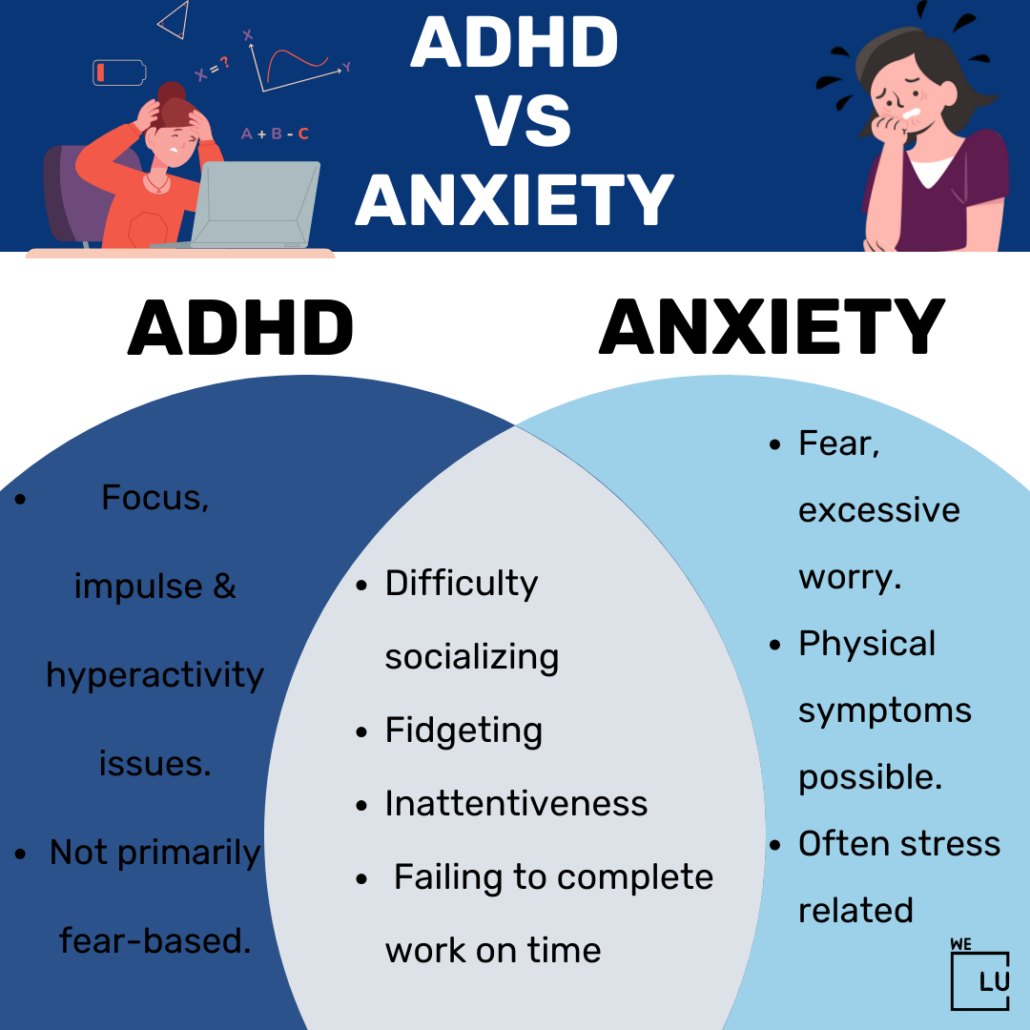
Signs You May Need Help for ADHD and Anxiety
Noticing the signs of ADHD and anxiety early can help you get support before things get worse. Common signs include:
- Ongoing anxious thoughts that make it hard to focus and finish daily tasks
- Trouble with executive functioning, like planning, organizing, and making choices
- Putting things off often or having poor time management even when you try to improve
- Feeling restless, easily upset, or always on edge in daily life
- Trouble focusing because of racing thoughts or strong worry
- Avoiding tasks, responsibilities, or social time because of fear or stress
- Feeling very overwhelmed, which affects relationships, work, and overall well-being
Table of Common ADHD and Anxiety Symptoms
| Symptom | ADHD | Anxiety |
|---|---|---|
| Difficulty Concentrating | Often present, especially inattentive type. | This may occur, especially in response to fear. |
| Impulsivity | Frequently observed. | Common, especially in the hyperactive type. |
| Hyperactivity | Common, especially in hyperactive type. | Not a defining feature; restlessness may occur. |
| Excessive Worry | Less common; typically related to tasks. | Key feature; pervasive and disproportionate. |
| Restlessness | Associated with hyperactivity in ADHD. | Common, a sense of being on edge. |
| Physical Symptoms | Limited to hyperactivity-related behaviors. | Can include muscle tension, headaches, etc. |
| Difficulty Sleeping | Frequent difficulty falling or staying asleep. | May experience problems due to impulsivity. |
| Forgetfulness | Common, especially inattentive type. | May occur, often due to preoccupation. |
| Social Challenges | May experience difficulties due to impulsivity. | Social anxiety may lead to avoidance. |
Remember, these conditions can coexist, and the presence of symptoms doesn’t necessarily mean one condition excludes the other. A comprehensive evaluation by a healthcare professional is essential for accurate diagnosis and appropriate management.

End the Emotional Pain. Get Your Life Back.
Feeling Depressed, Anxious or Struggling with Mental Health Illness? Get Safe Comfortable Mental Health Dual Diagnosis High-Quality Therapy From Counselors That Care. Begin Your Recovery Now.
Hotline (855) 940-6125