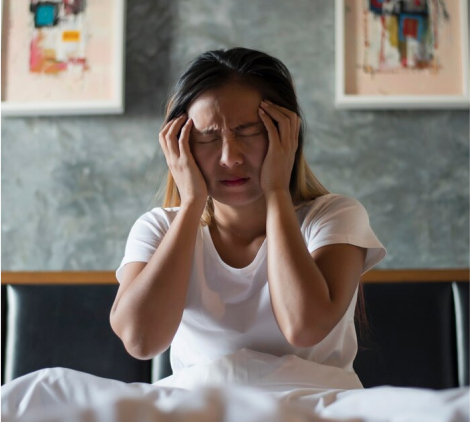
Mild Depression: Early Signs, Symptoms, and Treatment
In this world, it’s normal to feel sad sometimes. Stress, loss, or problems you face every day can change your mood. But sadness that lasts for weeks and makes it hard to sleep, concentrate, or be motivated may be a sign of mild depression. Because the symptoms aren’t very bad at first, this problem is often missed. But getting help early can prevent the signs from worsening.
Knowing what depression is can help people figure out when they need help. We Level Up FL can help you start feeling better if your emotional problems are getting in the way of your daily life.
Table of Contents
What Is Mild Depression?
It is a form of depression where symptoms are present but not severe. People may still manage work or daily responsibilities, but tasks feel harder than usual. Energy may drop, motivation may decrease, and emotions may feel heavy.
Some mental health workers may call this mild depressive disorder or low-grade depression. Symptoms may not seem too bad, but they still affect quality of life.
A lot of the time, people with this disease feel sad or emotionally worn out. Many people put off getting help because the signs aren’t obvious. But getting treatment early can prevent the signs from worsening.
Understanding Mild Depression Symptoms
Recognizing mild depression symptoms is important for early intervention. These symptoms may not appear every day, but they often persist for several weeks.
Common symptoms include:
- Ongoing sadness or low mood
- Low motivation or reduced interest in activities
- Trouble concentrating or making decisions
- Changes in sleep patterns
- Low energy or fatigue
- Feeling less hopeful about the future
These symptoms may seem small at first. Over time, however, they can slowly affect emotional health and daily functioning.
Early Signs of Dysthymia
Many people ignore the early signs of depression because they assume the feeling will pass. Recognizing these warning signs helps people seek help sooner.
Early changes may include:
- Feeling less interested in hobbies
- Avoiding social activities
- Feeling overwhelmed by small tasks
- Increased irritability or frustration
- Reduced self-confidence
These changes often develop gradually. Friends and family may notice the difference before the person does. Understanding these early patterns helps prevent symptoms from becoming more severe.
Learn More:
- Is Depression Genetic or Environmental?
- Does Vitamin D Help With Depression? What You Need To Know
- 30 Songs About Depression To Help You Feel Less Alone
- Is Depression a Disability? Eligibility, Applying
- 20 Depression Memes That Will Make You Feel Less Alone
- Relationship Depression, Symptoms, Causes and What To Do
- Depression Art: The Link Between Depression And Creativity
- Dementia and Depression Connection, Top Signs & Symptoms
- Short-Term Disability Mental Health
End the Emotional Pain. Get Your Life Back.
Feeling Depressed, Anxious or Struggling with Mental Health Illness? Get Safe Comfortable Mental Health Dual Diagnosis High-Quality Therapy From Counselors That Care. Begin Your Recovery Now.
Hotline (855) 940-6125Causes of Mild Depression
There is rarely one single cause of mild depression. Instead, several factors often combine to affect emotional health.
Brain Chemistry
Mood is controlled by hormones in the brain, like serotonin and dopamine. Mood swings can be caused by changes in these chemicals.
Life Stress
Low grade depression can be brought on by worry at work, problems in relationships, money problems, or losing a loved one.
Physical Health
Mood can also be changed by long-term illness, tiredness, or changes in hormones.
Family History
People with a family history of depression may have a higher risk of developing mild depressive disorder. Because many factors may influence mood, treatment often focuses on both emotional and lifestyle support.
Get Help. Get Better. Get Your Life Back.
Searching for Accredited Dual Diagnosis Mental Health Centers Near You?
Even if therapy failed previously, or are in the middle of a difficult crisis, we stand ready to support you. Our trusted behavioral health specialists will not give up on you. When you feel ready or just want someone to speak to about counseling alternatives to change your life call us. Even if we cannot assist you, we will lead you to wherever you can get support. There is no obligation. Call our hotline today.
FREE 24/7 Dual Diagnosis Mental Health Services Hotline
How Mild Depression Affects Daily Life
Even if the signs are mild, they can slowly change how you live your life. Things that used to make people happy may not make them as happy as they used to. It may take more work to do things that used to feel easy. Focus may get worse, and it may feel hard to make decisions.
It may also feel like relationships are tense. When someone has mild depression, they may pull away from other people because they are tired or stressed. These changes might not seem like much, but if you don’t treat them, they can hurt your mental health in the long run.
When Mild Depression Becomes More Serious
Without treatment, mild depression symptoms may gradually worsen. Over time, emotional struggles may become more intense.
People may begin to experience:
- Stronger sadness
- Increased fatigue
- Loss of motivation
- Difficulty maintaining daily responsibilities
People can get help before their situation worsens if they notice the symptoms early. Getting care early often helps people get better faster and keep their emotions in check.
First-class Facilities & Amenities
World-class High-Quality Mental Health Services & Behavioral Health Substance Abuse Treatment
Rehab Centers TourRenowned Mental Health Centers. Serene Private Facilities. Inpatient Rehab Programs Vary.
Mental Health Helpline (855) 940-6125Proven recovery success experience, backed by a Team w/ History of:
15+
Years of Unified Experience
100s
5-Star Reviews Across Our Centers
10K
Recovery Successes
- Comprehensive Dual-Diagnosis Treatment
- Complimentary Family & Alumni Programs
- Coaching, Recovery & Development Events
- Comfortable Onsite Medical Detox Center
How Mild Depression Is Diagnosed
To identify mild depressive disorder, mental health professionals follow a number of steps. A mental health exam is usually the first step in the process. Providers assess the patient’s emotional symptoms, medical history, and lifestyle patterns. They might also ask how much you sleep, how much you eat, and how stressed you feel.
Screening tools are sometimes used to figure out how bad sadness is. These tools help you find similarities in how you feel and act. A full review helps doctors make a treatment plan that is just right for each person.
Treatment Options
Treatment for mild depression often includes therapy, lifestyle adjustments, and sometimes medication.
Therapy
Therapy helps people look at their feelings, thoughts, and habits of stress. Cognitive behavioral treatment teaches people how to change their negative thoughts into more positive ones. Therapy also helps people come up with ways to deal with the stress of everyday life.
Medication Management
Medicines that help control brain chemicals can help some people. Mental health professionals carefully watch over medications to make sure they are safe and successful.
Lifestyle Support
Healthy habits play a strong role in improving mood. Helpful changes may include:
- Regular exercise
- Consistent sleep schedules
- Balanced nutrition
- Mindfulness or relaxation practices
These habits strengthen emotional resilience.
The Role of Support Systems
Recovering from low grade depression is greatly aided by social support. Talking with trusted family, friends, or professionals can help you feel less alone.
Support groups can also help people find others who have been through the same things they have. These links help people remember that they are not alone on their path to healing.
World-class, Accredited, 5-Star Reviewed, Effective Mental Health Dual Diagnosis Programs. Complete Integrated Inpatient Rehab with Free Post Discharge Therapy Planning.
CALL (855) 940-6125End the Emotional Pain Rollercoaster. Gain Stability & Happiness Through Recovery Treatment. Start Mental Health Counseling Today. Get Free No-obligation Guidance by Behaviroal Health Specialists Who Understand Mental Health Recovery.
Why Choose We Level Up FL
Treating mild depression requires understanding, patience, and professional care. At We Level Up FL, clients receive compassionate support in a structured and healing environment.
Services include:
- Psychiatric evaluations
- Medication management
- Residential mental health programs
- Inpatient treatment
- PHP
- Dual diagnosis care
- Holistic Therapy
- Individual, group, and family counseling
The care plan is made just for that person. The goal is to help people recover from their problems in the long run by making them more emotionally stable and giving them better coping abilities. Clients get help from professionals who have been there and done that and know how hard mental health problems can be.
The Importance of Early Treatment
Seeking help early can prevent depression from becoming more severe. When people recognize the early signs of depression, they can begin treatment before symptoms grow stronger.
Getting care early on can help you get your work, relationships, and everyday life back on track. Also, it helps people get their confidence and drive back. Educating people about mental health also lowers shame. When people know that their depression is a medical problem, they feel less ashamed to ask for help.
Living Well With Depression
Many people can deal with mild depression with the help of therapy, healthy habits, and ongoing support. Getting better often means making small but important changes to how you live your life.
Creating routines, taking care of yourself, and staying in touch with friends and family can all help your happiness over time. Even though progress may seem slow, constant care can help people feel emotionally stable for a long time. People can get their energy, motivation, and hope back with the right help and care.
Frequently Asked Questions
What is mild depression?
It’s a type of depression where the symptoms are there but not bad enough to make daily life impossible.
What are mild depression symptoms?
Mood swings, lack of energy, tiredness, changes in sleep patterns, and trouble focusing are all signs.
What is low grade depression?
People who have mild depressive symptoms that last for a long time are said to have low-grade depression.
What are the early signs of depression?
Early signs may include reduced interest in activities, irritability, fatigue, and social withdrawal.
How does We Level Up FL help?
We Level Up FL provides psychiatric evaluations, residential mental health programs, medication management, therapy, and dual diagnosis treatment.
When should someone seek help?
You should seek help if symptoms last longer than two weeks or begin to interfere with daily life.
Take a Step Forward
It can be hard and lonely to live with mild depression. Even though you can still do the things you need to do, something inside you feels heavy and unsure. You don’t have to carry that quiet weight around. At We Level Up FL, caring staff members know how to spot the early signs of sadness and offer care that helps people get back on track with their lives, gain clarity, and find hope.
Your story matters. Your well-being matters. Call (855) 940-6125 today and take the first step toward healing and building a healthier future.
Clinical Depression Video
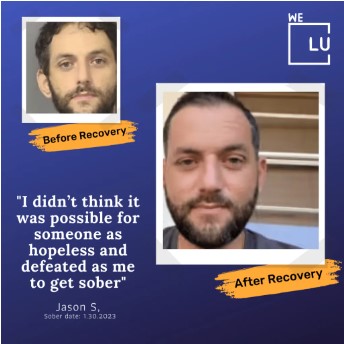
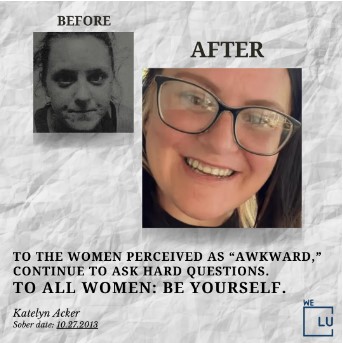
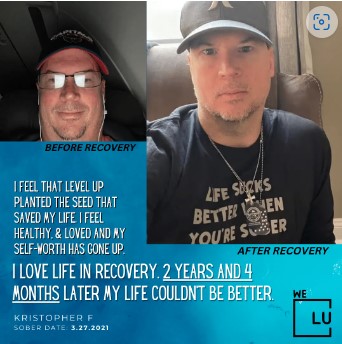
Experience Transformative Recovery at the We Level Up Treatment Center.
See our authentic success stories. Get inspired. Get the help you deserve.
Start a New Life
Begin with a free call to a behavioral health treatment advisor. Learn more about our dual-diagnosis programs. The We Level Up treatment center network delivers recovery programs that vary by each treatment facility. Call to learn more.
- Personalized Care
- Caring Accountable Staff
- Comfortable Amenities
- Licensed & Accredited
- Renowned w/ 5-Star Reviews