
Does Vitamin D Help With Depression? What You Should Know
Many people feel low at times. You may feel tired, sad, or unmotivated. You may struggle to enjoy things you once loved. When that happens, you might ask, “Does vitamin D help with depression? You may hear that sunshine or a simple pill can fix your mood. It sounds easy. It sounds hopeful. But it is important to understand the full picture.
If you are unsure what is safe or effective, We Level Up FL can help you explore whether vitamin D helps with depression and guide you toward real treatment.
Depression is more than a bad day. It affects your brain, body, and daily life. Before relying on supplements, it is important to understand what research truly shows.
Table of Contents
What Is Vitamin D?
Vitamin D is often called the sunshine vitamin. Your body makes it when sunlight hits your skin. It also comes from certain foods like:
- Fatty fish
- Egg yolks
- Fortified milk
- Fortified cereals
Vitamin D helps your body absorb calcium. It supports bone health. It also plays a role in immune function and brain health. Because vitamin D affects the brain, researchers study its link to mood.
What Is Depression?
Depression is a medical condition. It affects how you think, feel, and act. It can last for weeks or months.
Common signs include:
- Ongoing sadness
- Low energy
- Loss of interest
- Changes in sleep
- Appetite changes
- Trouble focusing
- Feelings of guilt or hopelessness
Depression can range from mild to severe. Some people also experience anxiety or substance use problems at the same time.
Learn More:
- Celexa vs Zoloft, Difference and Comparison of Side-Effects. Switching From Celexa to Zoloft. Celexa vs Lexapro vs Zoloft.
- Learn How to Cope with Depression. 10 Ways to Cope with Depression.
- Signs Of Depression In Women To Watch Out For. Comparing Depression in Men Vs Women. What are the Causes of Depression in Women?
- Depression and Anxiety Therapist Fort Lauderdale. EMDR Therapy Fort Lauderdale.
- Postpartum Depression Treatment, Causes, Symptoms, Anxiety in Pregnancy, & Risks
- What Is Mild Depression? Symptoms & Treatment
- What Does Depression Feel Like? Facts About Depression Symptoms
- Are There Stages of Depression? Understanding Symptoms, Causes, and Effective Treatments
- Why Am I So Sad? Causes & Top 10 Coping Tips for Depression
Get Help. Get Better. Get Your Life Back.
Searching for Accredited Dual Diagnosis Mental Health Centers Near You?
Even if therapy failed previously, or are in the middle of a difficult crisis, we stand ready to support you. Our trusted behavioral health specialists will not give up on you. When you feel ready or just want someone to speak to about counseling alternatives to change your life call us. Even if we cannot assist you, we will lead you to wherever you can get support. There is no obligation. Call our hotline today.
FREE 24/7 Dual Diagnosis Mental Health Services Hotline
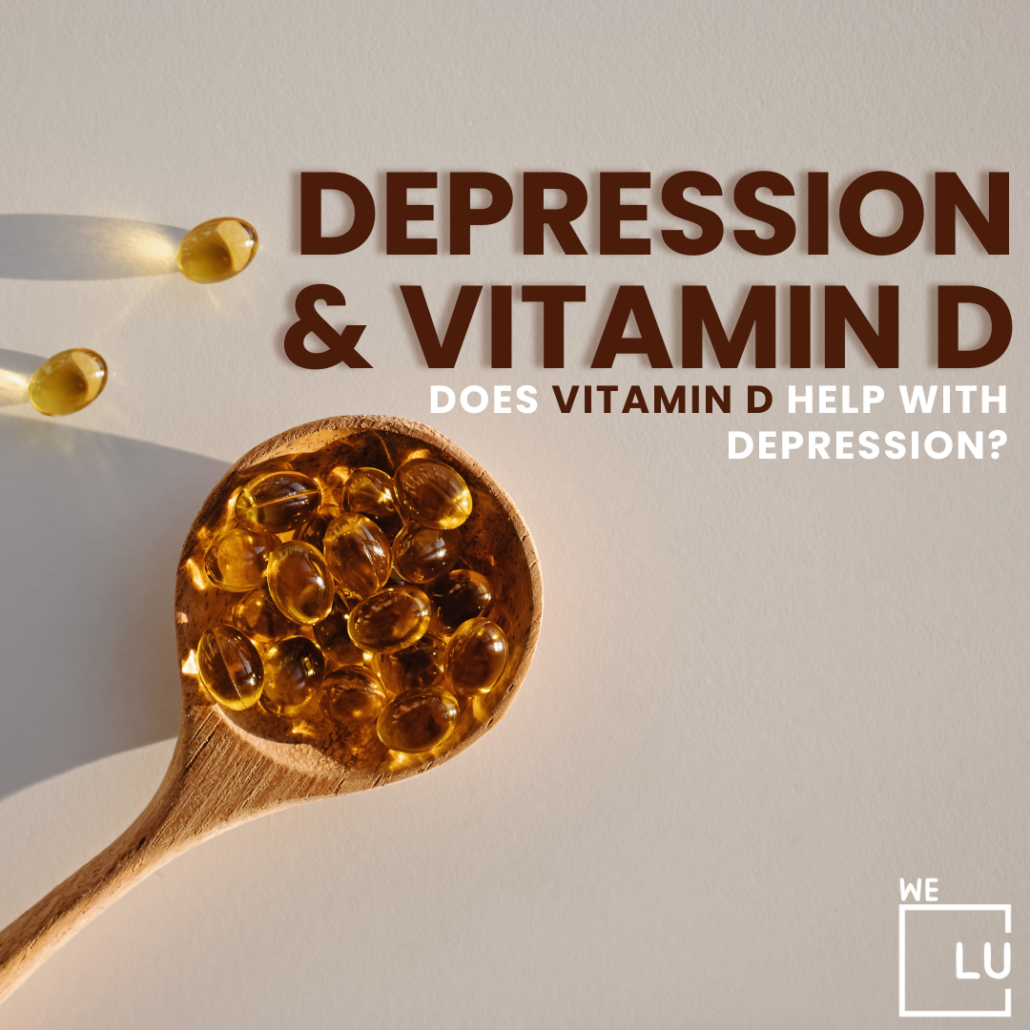
Does Vitamin D Help With Depression?
Research suggests there may be a vitamin D depression link. Some studies show people with low vitamin D levels report more depressive symptoms.
This leads many to ask, ” Does vitamin D help with depression in a meaningful way?
If someone has low vitamin D, correcting the deficiency may improve mood. However, vitamin D is not a cure for depression. It may help some people, but it does not replace therapy or medication.
The Vitamin D Depression Link
Scientists believe vitamin D may affect brain chemicals involved in mood regulation. Low levels may impact serotonin production. Serotonin helps regulate happiness and emotional balance.
Studies show that vitamin D deficiency depression patterns exist in some groups. People who get little sunlight may have higher rates of low mood.
Still, research results are mixed. Some studies show improvement with supplements. Others show little change. More long-term studies are needed.

End the Emotional Pain. Get Your Life Back.
Feeling Depressed, Anxious or Struggling with Mental Health Illness? Get Safe Comfortable Mental Health Dual Diagnosis High-Quality Therapy From Counselors That Care. Begin Your Recovery Now.
Hotline (855) 940-6125Vitamin D Mood Benefits
There may be mood benefits from vitamin D, especially if you don’t get enough of it. These may include:
- Improved energy
- Better sleep
- Slight mood lift
- Reduced fatigue
These benefits are usually modest. They do not treat severe depression on their own.
Vitamin D Deficiency Depression Risk
Low vitamin D is more common in:
- People who stay indoors often
- Individuals living in colder climates
- Older adults
- People with darker skin tones
- Those with certain medical conditions
If blood tests show a deficiency, doctors may recommend supplements. Correcting deficiencies supports overall health. It may also improve mild mood symptoms.
First-class Facilities & Amenities
World-class High-Quality Mental Health Services & Behavioral Health Substance Abuse Treatment
Rehab Centers TourRenowned Mental Health Centers. Serene Private Facilities. Inpatient Rehab Programs Vary.
Mental Health Helpline (855) 940-6125Proven recovery success experience, backed by a Team w/ History of:
15+
Years of Unified Experience
100s
5-Star Reviews Across Our Centers
10K
Recovery Successes
- Comprehensive Dual-Diagnosis Treatment
- Complimentary Family & Alumni Programs
- Coaching, Recovery & Development Events
- Comfortable Onsite Medical Detox Center
Understanding Levels of Vitamin D and Mental Health
When asking, “Does vitamin D help with depression?” it’s crucial to consider the body’s actual vitamin D levels. A simple blood test can find out how much vitamin D is in the serum. Many people don’t know they’re low.
Low amounts may make it harder to focus, sleep, and have energy. People who have depression often have less vitamin D than people who don’t have mood problems, according to research.
A low level does not always lead to sadness, though. They might be a part of something bigger. Getting your vitamin D levels checked by a doctor can help you determine whether you need vitamin D tablets. Fixing a problem might improve your happiness, but it should only be a part of a bigger plan for your mental health.
What Clinical Trials Say
Clinical trials are still being used to look into the link between vitamin D and sadness. Some studies show that taking vitamin D supplements to raise low levels can make people feel a little better. People with moderate to severe depression and anxiety don’t change much in other studies. This means results may differ. Vitamin D seems to improve happiness more when a deficiency is first found.
Also, studies have shown that supplements work best when used with treatment or medicine, not by themselves. When experts look over studies, they look at what people eat, how much time they spend in the sun, and their overall health.
There are patterns of sadness linked to not getting enough vitamin D, but supplements for depression work best when used along with structured treatment.
Are Supplements for Depression Enough?
Many people look for supplements for depression because they want natural options. This is understandable. Some fear side effects from medication.
Brain chemistry, life stress, trauma, and genetics are all part of it. Supplements often can’t fix these basic problems on their own. Therapy can help you change the way you think about bad things. Medications control the chemicals in the brain.
Structured programs offer safety and help. Supplements might help with healing. They don’t change it.
When Vitamin D May Help
Vitamin D may help if:
- Blood tests confirm low levels.
- Depression is mild
- Symptoms relate to seasonal changes.
Seasonal Affective Disorder may improve with light exposure and vitamin D support. Still, moderate to severe depression requires comprehensive care.
Risks of Relying Only on Supplements
Taking vitamin D without guidance can delay proper treatment. Severe depression may worsen over time if untreated.
High doses of vitamin D can also cause side effects such as:
- Nausea
- Weakness
- Kidney problems
Medical supervision ensures safe dosing.
When Depression Needs Professional Care
You should seek help if:
- Sadness lasts more than two weeks.
- Daily life feels overwhelming.
- You lose interest in activities.
- Sleep changes significantly
- You feel hopeless
- You have thoughts of self-harm.
Early treatment improves long-term outcomes.
Depression and Substance Use
Some people turn to alcohol or drugs to escape emotional pain. This can worsen depression. Dual diagnosis treatment addresses both mental health and substance use together. Supplements do not treat addiction.
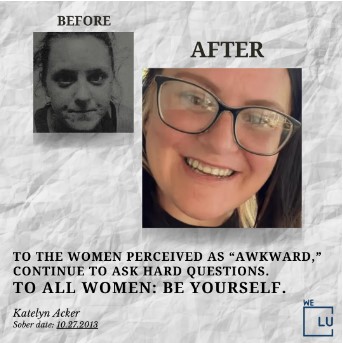
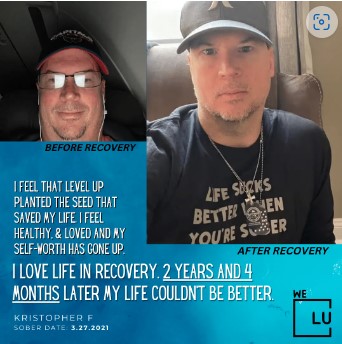
Experience Transformative Recovery at the We Level Up Treatment Center.
See our authentic success stories. Get inspired. Get the help you deserve.
Start a New Life
Begin with a free call to a behavioral health treatment advisor. Learn more about our dual-diagnosis programs. The We Level Up treatment center network delivers recovery programs that vary by each treatment facility. Call to learn more.
- Personalized Care
- Caring Accountable Staff
- Comfortable Amenities
- Licensed & Accredited
- Renowned w/ 5-Star Reviews
We’ll Call You
Treatment Options for Depression
At We Level Up FL, treatment focuses on whole-person healing. Services may include:
- Psychiatric evaluation
- Medication management
- Cognitive Behavioral Therapy
- Trauma-focused therapy
- Residential mental health treatment
- PHP
- Inpatient Programs
- Dual diagnosis care
Cognitive Behavioral Therapy helps shift negative thought patterns. Medication may stabilize severe symptoms. Structured programs provide stability during crisis periods. If substance use is present, dual diagnosis care treats both conditions at the same time.
Why Choose We Level Up FL
If you are asking, Does vitamin D help with depression, you are looking for relief. At We Level Up FL, we provide answers based on science, not trends.
Our licensed mental health professionals complete full evaluations. We assess symptoms, medical history, and possible co-occurring disorders. We create personalized care plans.
Some individuals benefit from outpatient therapy. Others need structured residential support. We match care to your needs. Our goal is lasting recovery, not quick fixes.
Nutrition, Omega-3 Fatty Acids, and Whole-Body Support
More than one vitamin is important for mental health. It is common for experts to study omega-3 fatty acids and their role in brain health at the same time. Omega-3 fatty acids help your brain work well and keep your emotions in check. Eating a healthy diet with lots of fish, leafy greens, whole grains, and balanced protein may help your happiness in general.
It is helpful to think of nutrition as a component of care when examining whether vitamin D helps with depression. A well-balanced diet, therapy, medication (if needed), and healthy habits can often help people with sadness. Supplements can help with recovery, but most people need full mental health care to feel better in the long term.
Daily Habits That Support Mood
Healthy habits strengthen recovery:
- Consistent sleep schedule
- Regular sunlight exposure
- Balanced meals
- Physical activity
- Social connection
- Stress management
These steps support emotional balance when combined with professional care.
World-class, Accredited, 5-Star Reviewed, Effective Mental Health Dual Diagnosis Programs. Complete Integrated Inpatient Rehab with Free Post Discharge Therapy Planning.
CALL (855) 940-6125End the Emotional Pain Rollercoaster. Gain Stability & Happiness Through Recovery Treatment. Start Mental Health Counseling Today. Get Free No-obligation Guidance by Behaviroal Health Specialists Who Understand Mental Health Recovery.
Frequently Asked Questions
Does vitamin D help with depression?
If you don’t get enough vitamin D, it might help. It’s not a replacement for therapy or medical care for people with moderate to serious depression.
What is the vitamin D depression link?
Different studies have found different links between low vitamin D levels and more depressed symptoms.
What are the vitamin D mood benefits?
Possible benefits include improved energy and mild mood support when levels are low.
Can vitamin D deficiency cause depression?
Vitamin D deficiency depression patterns exist, but depression usually involves multiple causes.
How does We Level Up FL offer help?
We Level Up FL provides psychiatric evaluations, therapy, medication management, residential treatment, outpatient programs, and dual diagnosis care.
Are supplements for depression enough?
Supplements may support health. Structured mental health treatment is often necessary for lasting recovery.
Take the Next Step Toward Real Healing
If you keep asking, ” Does vitamin D help with depression, you may be searching for hope. You may want something simple to ease the weight you feel.
Supplements might help a bit. You deserve more than small changes, though. You deserve regular help. You should not feel heavy when you wake up.
Depression is treatable. With the right care, your mood can lift. Your energy can return. Your future can feel brighter again.
Get in touch with We Level Up FL right away at (855) 940-6125. Right now is the time to choose real healing over doubt. You’re not by yourself. One brave call is all it takes to get better.