
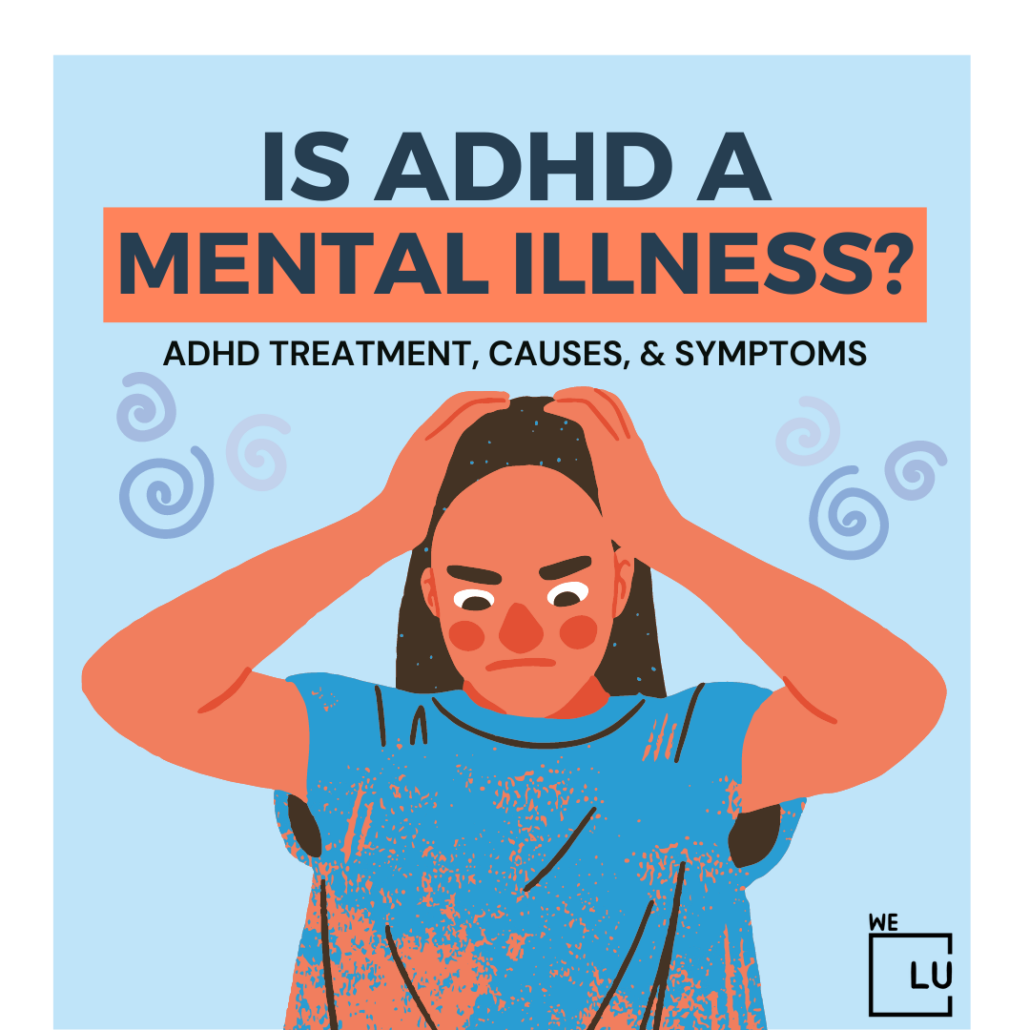
Many parents and adults ask the same question: Is ADHD a mental illness? The words can sound scary. You may worry about what the label means. You may wonder if it will affect school, work or the future. If you are asking this question, you care deeply. You want clear answers. You want to understand what ADHD really is and how to help your loved one. That is completely normal.
In this guide, we explain everything. We will talk about ADHD classification mental illness, is ADHD considered a disability, ADHD diagnosis explained, and what it means when doctors say neurodevelopmental disorder ADHD. At We Level Up FL our goal is to help you feel calm, informed, and supported.
The Importance of Defining ADHD
The definitions we use to discuss mental health are critical because they can have a significant effect. A lot of healthcare definitions have a terrible reputation, especially ones that have to do with mental health.
While experts use words like “disorder” and “illness” to diagnose and treat conditions, people can choose the words that make them feel most comfortable when discussing their health.
Adequate attention to one’s mental health is fundamental to maintaining overall health. Whether the problem is psychological or physical, it doesn’t mean that the person is weak or that they are to blame.
Do you Have ADHD?
Wondering if you or someone you know might be dealing with ADHD? You’re not alone, and there’s a way to find out. We’ve developed a helpful ADHD test to provide insights and get you started on understanding your mental health.
What Is ADHD?
ADHD stands for Attention Deficit Hyperactivity Disorder. It affects how a person focuses, controls behavior, and handles energy. Some people struggle to pay attention. Some feel very restless. Others act quickly without thinking first. Doctors call ADHD a neurodevelopmental disorder ADHD. This means the brain develops in a different way. It affects areas of the brain that control focus, planning, and self control.
ADHD usually begins in childhood. Many children show signs before age twelve. Some people are not diagnosed until they are adults. ADHD is not caused by bad parenting. It is not laziness. It is a real medical condition.
Is ADHD a Mental Illness?
So let us answer clearly. Is ADHD a mental illness? Yes, doctors list ADHD in the manual used to diagnose mental health conditions. Because of this, it is considered a mental health disorder. But this does not mean something is wrong with you as a person. It does not mean you are unstable. ADHD is different from mood disorders like depression. It mainly affects attention and impulse control.
The label helps people get treatment and insurance coverage. The most important thing is getting the right support. The name matters less than the help you receive.
Skip To:
Learn More:
- Body Doubling ADHD, Definition and How It Works
- Do I Have ADD Quiz? Take Our Free ADD Quiz To Find Out
- ADHD and Anxiety: Understanding the Link and How To Cope
- ADHD vs Autism. What are the Differences?ADHD and Autism Symptoms.
- Understanding ADHD Hyperfocus. How Does It Affect Adults? Definition and Symptoms
- How to Find ADHD Doctors Near Me? Effective ADHD Therapy Options.
- ADHD and Bipolar Disorder Guide. ADHD Vs Bipolar. Bipolar and ADHD Symptoms. Bipolar Vs ADHD Diagnosis. ADHD Bipolar Treatments.
- CBD for ADHD Benefits, Considerations, and Uses of Using CBD for ADHD.
- Is ADHD a Mental Illness? Understanding the Symptoms
- Free ADHD Quiz. Do I Have ADHD Quiz? Online ADHD Quiz for Adults.
- ADHD and Anxiety, Understanding the Link and How To Cope
First-class Facilities & Amenities
World-class High-Quality Mental Health Services & Behavioral Health Substance Abuse Treatment
Rehab Centers TourRenowned Mental Health Centers. Serene Private Facilities. Inpatient Rehab Programs Vary.
Mental Health Helpline (855) 940-6125Proven recovery success experience, backed by a Team w/ History of:
15+
Years of Unified Experience
100s
5-Star Reviews Across Our Centers
10K
Recovery Successes
- Comprehensive Dual-Diagnosis Treatment
- Complimentary Family & Alumni Programs
- Coaching, Recovery & Development Events
- Comfortable Onsite Medical Detox Center

Understanding ADHD Classification Mental Illness
When people talk about ADHD classification as a mental illness, they are talking about how doctors group conditions. ADHD is placed in a group called neurodevelopmental disorders. These are conditions that begin in childhood and affect brain growth. This classification helps schools and doctors understand how to treat it. It also helps families qualify for services and support. Without this medical label, many people would not get the help they need.
It is important to remember that a diagnosis does not define a person. Many people with ADHD are creative, smart, caring, and full of energy. The diagnosis explains certain struggles, but it does not limit someone’s future.
ADHD Diagnosis Explained
Many families want an ADHD diagnosis explained in simple terms. The process takes time and careful review. A doctor or mental health provider asks questions about behavior and focus. They look at patterns that have lasted for at least six months.
Symptoms must show up in more than one place. For example, a child may struggle both at school and at home. An adult may have trouble at work and in relationships. The provider gathers information from parents, teachers, or partners.
There is no blood test or brain scan that proves ADHD. Diagnosis is based on behavior patterns and history. A full evaluation helps make sure the symptoms are not caused by something else.
Is ADHD Considered a Disability?
Many parents ask, Is ADHD considered a disability? The answer depends on how much it affects daily life. Under the law, ADHD can count as a disability if it limits learning or working. In school, children with ADHD may get special help. They might receive extra time on tests. They may sit closer to the teacher. They may get help with planning and organization. These supports help them succeed.
Adults can also ask for workplace support. This may include written instructions or a quieter work space. Seeing ADHD as a disability is not about weakness. It is about getting fair support.
Common Signs of ADHD
ADHD symptoms fall into two main groups. One group is about inattention. The other group is about hyperactivity and impulsivity. Some people have both types.
Inattention Signs
A person with inattention may:
- Have trouble staying focused
- Forget daily tasks
- Lose things often
- Make careless mistakes
- Avoid tasks that require focus
These struggles can make school or work very stressful.
Hyperactivity and Impulsivity Signs
A person with hyperactivity or impulsivity may:
- Feel restless
- Fidget or tap often
- Talk a lot
- Interrupt others
- Act without thinking
In adults, hyperactivity may feel like inner restlessness instead of running or climbing.
World-class, Accredited, 5-Star Reviewed, Effective Mental Health Dual Diagnosis Programs. Complete Integrated Inpatient Rehab with Free Post Discharge Therapy Planning.
CALL (855) 940-6125End the Emotional Pain Rollercoaster. Gain Stability & Happiness Through Recovery Treatment. Start Mental Health Counseling Today. Get Free No-obligation Guidance by Behaviroal Health Specialists Who Understand Mental Health Recovery.
What Causes ADHD?
ADHD often runs in families. If a parent has ADHD, a child has a higher chance of having it too. Scientists believe genes play a strong role. Brain studies show small differences in areas that control attention and decision-making. These differences affect how signals move through the brain.
ADHD is not caused by sugar, video games or poor parenting. Knowing this helps remove blame. It is a medical condition, not a behavior problem.
ADHD in Children and Adults
ADHD can look different at different ages. In children, teachers may notice trouble sitting still or finishing work. Parents may see emotional outbursts or trouble following rules. In adults, ADHD may show up as missed deadlines, poor time management or disorganization. Adults may feel frustrated because they try hard but still struggle.
Many adults feel relief when they finally get answers. A diagnosis can explain years of stress and self doubt. With treatment, life can become more manageable.
Treatment Options for ADHD
ADHD treatment often includes therapy, education, and sometimes medication. Behavioral therapy teaches skills like planning, time management and emotional control. Medication can help improve focus and reduce impulsive actions. A doctor monitors the medication carefully. Not everyone needs medicine but it helps many people.
Parents and family members can also learn helpful strategies. Support groups and coaching provide extra guidance. When ADHD occurs with anxiety or depression, treatment should address both. You can explore our mental health treatment programs or behavioral health services to learn more about available support.
ADHD and Other Mental Health Concerns
Some people with ADHD also struggle with anxiety or depression. The stress of daily challenges can affect mood. Some may turn to alcohol or drugs to cope. When more than one issue is present, treatment should address all concerns. A full evaluation ensures nothing is overlooked. Integrated care leads to better results.
If you notice mood changes, sadness, or substance use along with ADHD symptoms, seeking help early can make a big difference.
Experience Transformative Recovery at the We Level Up Treatment Center.
See our authentic success stories. Get inspired. Get the help you deserve.


Start a New Life
Begin with a free call to a behavioral health treatment advisor. Learn more about our dual-diagnosis programs. The We Level Up treatment center network delivers recovery programs that vary by each treatment facility. Call to learn more.
- Personalized Care
- Caring Accountable Staff
- Comfortable Amenities
- Licensed & Accredited
- Renowned w/ 5-Star Reviews
We’ll Call You
Frequently Asked Questions
Is ADHD a mental illness?
Yes, ADHD is listed as a mental health disorder. It is also a brain-based condition that affects focus and self-control.
Why do doctors classify ADHD this way?
ADHD classification as a mental illness helps doctors diagnose and treat it. It also allows schools and insurance companies to provide support.
Is ADHD considered a disability in school?
Yes, whether ADHD is considered a disability depends on how much it affects learning. Many students qualify for special support.
How is ADHD diagnosis explained simply?
An ADHD diagnosis explained means a trained provider reviews symptoms, history and daily functioning over time. There is no single test.
Can adults have ADHD?
Yes, adults can be diagnosed. Symptoms must have started in childhood, even if they were not noticed then.
Does ADHD go away?
ADHD does not usually disappear, but symptoms can improve with treatment and coping skills.
Take a Step Forward
If you have been asking, is ADHD a mental illness, we hope you now feel clearer and calmer. ADHD is a neurodevelopmental disorder that affects attention and behavior. It is not a weakness or a failure. With the right diagnosis and support, people with ADHD can thrive at school, work, and home. If you or someone you love needs help, reach out today. Our caring team is ready to guide you toward understanding, stability, and hope for the future.
ADD vs. ADHD Symptoms, Causes and Treatment
Search We Level Up FL Is ADHD a Mental Illness? Understanding the Symptoms Resources
Sources
- Attention-deficit/hyperactivity disorder. (2019). Is ADHD a mental illness? Is ADHD a mental health condition? Related Articles
https://www.nimh.nih.gov/health/topics/attention-deficit-hyperactivity-disorder-adhd/index.shtml - Attention-deficit/hyperactivity disorder. (2021).
https://www.cdc.gov/ncbddd/adhd/index.html Is ADHD a mental illness? Is ADHD a mental health condition? Related Articles - Mental health conditions. (n.d.). Is ADHD a mental illness? Is ADHD a mental health condition? Related Articles
https://www.nami.org/About-Mental-Illness/Mental-Health-Conditions - Regier DA, et al. (2013). The DSM-5: Classification and criteria changes. Is adhd a learning disability or mental illness
https://www.ncbi.nlm.nih.gov/pmc/articles/PMC3683251/ Is ADHD a mental illness? Is ADHD a mental health condition? Related Articles - What is ADHD? (2017).
https://www.psychiatry.org/patients-families/adhd/what-is-adhd Is ADHD a mental illness? Is ADHD a mental health condition? Related Articles - What is mental illness? (2018). Is ADHD mental illness?
https://www.psychiatry.org/patients-families/what-is-mental-illness Is ADHD a mental illness? Is ADHD a mental health condition? Related Articles - American Psychiatric Association. Diagnostic and Statistical Manual of Mental Disorders, Fifth Edition (DSM-5). 2013. Is ADHD a mental illness? Is ADHD a mental health condition? Related Articles
- Austerman J. ADHD and behavioral disorders: Assessment, management, and an update from DSM-5. Is ADHD a mental disorder? Is ADHD a mental illness? Is ADHD a mental health condition? Related Articles and is hyperactivity a mental disorder
- Beaton, D. M., Sirois, F., & Milne, E. (2022). Experiences of criticism in adults with ADHD: A qualitative study. PloS one, e0263366. Is ADHD a mental illness? Is ADHD a mental health condition? Related Articles
- Danielson, M.L., et al.Prevalence of Parent-Reported ADHD Diagnosis and Associated Treatment Among U.S. Children and Adolescents, 2016. Journal of Clinical Child & Adolescent Psychology, Volume 47, 2018 – Issue 2. Is ADHD a mental illness? Is ADHD a mental health condition? Related Articles and is adhd considered a mental illness