
Character defects are behaviors or habits that can hurt your life, relationships, and recovery. These traits may include anger, jealousy, dishonesty, or selfish thinking. When these patterns continue for a long time, they can damage trust and make it harder to live a healthy life.
In recovery programs like AA, people do a moral inventory in Step 4. This means looking honestly at yourself to find these defects. It is part of a recovery self inventory. Seeing them clearly helps you change and feel better. Many feel scared or sad at first when they spot their flaws. That is normal. But facing them shows real strength.
Everyone has some defects. The good news is you can work on them with time, help, and kindness to yourself. This guide will explain a character defects list recovery. We also talk about behavioral character traits that hurt recovery. You are not alone. Help is available at We Level Up FL.
Skip To:
What Are Character Defects in Recovery?
Character defects are negative ways we behave or think that cause pain for us and others. They often come from hurt feelings in the past or from trying to protect ourselves. In recovery, these defects can push someone toward relapse if not addressed.
For example, anger might make you yell at loved ones. Fear might stop you from asking for help. These traits feel safe at first, but keep you stuck. A moral inventory character defects review helps you see the truth.
In programs, people learn that defects like selfishness or dishonesty fuel addiction. Fixing them builds a happier, sober life. Recovery is about more than stopping a substance. It is about growing into a better person.

Why Character Defects Matter in Recovery
Character defects play a big role in why addiction starts and continues. They create a cycle of bad choices and guilt. When you ignore them, the problems grow. Many use substances to escape feelings like resentment or low self-worth. But the defects stay and get worse. Doing a recovery self inventory breaks this cycle. You name what is wrong and choose to change.
This work brings freedom. Relationships get stronger. You feel more peace inside. Working on behavioral character traits in recovery leads to real, lasting change. It takes effort, but the rewards are worth it.
Get Help. Get Better. Get Your Life Back.
Searching for Accredited Dual Diagnosis Mental Health Centers Near You?
Even if therapy failed previously, or are in the middle of a difficult crisis, we stand ready to support you. Our trusted behavioral health specialists will not give up on you. When you feel ready or just want someone to speak to about counseling alternatives to change your life call us. Even if we cannot assist you, we will lead you to wherever you can get support. There is no obligation. Call our hotline today.
FREE 24/7 Dual Diagnosis Mental Health Services HotlineCommon List of Character Defects
Here is a helpful list of character defects used in many recovery programs. We group them to make it easier. This comes from common ideas in AA and other groups. It includes more examples to give you a fuller picture.

Emotional and Feeling-Based Defects
These defects affect your heart and emotions.
- Resentment: Holding onto anger from past hurts and staying bitter.
- Fear or Cowardice: Always feeling scared or avoiding things because of worry.
- Anger: Getting mad quickly or staying upset for a long time.
- Self-pity: Feeling sorry for yourself and thinking life is always unfair.
- Jealousy or Envy: Feeling bad when others do well or have nice things.
- Guilt or Self-condemnation: Blaming yourself too much and feeling worthless.
- Hopelessness: Thinking nothing will ever get better.
These feelings can make recovery feel impossible. They often hide deeper pain.
Thinking-Based Defects
These happen mostly in your mind.
- Pride or Egotism: Thinking you are better than others or always right.
- Self-justification: Always making excuses for bad actions.
- Negative thinking: Seeing only the bad in every situation.
- Judgmental: Quick to criticize others harshly.
- Closed-minded: Not willing to listen to new ideas or advice.
- Denial: Refusing to see the truth about yourself.
Wrong thoughts keep defects strong. Changing how you think helps change everything else.

Action-Based or Behavioral Character Traits
These show in what you do every day.
- Dishonesty or Lying: Not telling the truth to avoid trouble or look good.
- Selfishness or Self-seeking: Putting your wants first and ignoring others.
- Impatience: Getting upset when things do not happen fast.
- Laziness or Procrastination: Avoiding work or putting off important tasks.
- Control issues: Trying to make others do what you want.
- Manipulation: Using tricks to get your way.
- Gossip: Talking badly about people when they are not there.
- Hate: Feeling strong dislike toward others.
These actions break trust and create more chaos in life.
Other Important Defects
- Greed: Always wanting more money or things.
- Lust: Unhealthy focus on sex or attraction that hurts relationships.
- Gluttony: Overdoing food, drink, or other pleasures.
- Perfectionism: Needing everything to be perfect and getting upset when it is not.
- Isolation: Pulling away from people and staying alone too much.
This character defects list covers many common ones. Your own list may be different. The point is to be honest and find what affects you most.
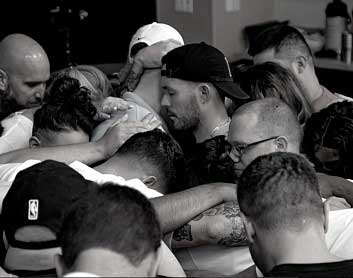
End the Emotional Pain. Get Your Life Back.
Feeling Depressed, Anxious or Struggling with Mental Health Illness? Get Safe Comfortable Mental Health Dual Diagnosis High-Quality Therapy From Counselors That Care. Begin Your Recovery Now.
Hotline (855) 940-6125How to Do a Moral Inventory of Character Defects
Find a quiet spot to think. Look back at your life. Ask simple questions like: When did I hurt someone? What made me angry or scared? Where did I lie or act selfishly? Write things down in a journal. This helps you see patterns clearly. For example, if resentment comes up a lot, note what starts it.
Talk to a sponsor, friend or counselor. They can help you see what you miss. In a moral inventory character defects step, be brave but gentle with yourself. This is about growth, not punishment. Many people pray or meditate for clear sight. Ask for help to be honest. When you finish, you often feel lighter and ready for change.

Steps to Overcome Character Defects
You do not fix all defects overnight. Start small and keep going. Here are easy ways to improve.
First, notice when a defect shows up. Pause and breathe. Ask: Does this help me or hurt me?
Replace bad habits with good ones. If you feel selfish, do something kind for someone else. Small acts build new behavioral character traits.
Track your progress in a journal. Write down wins each day. This keeps you motivated.
First-class Facilities & Amenities
World-class High-Quality Mental Health Services & Behavioral Health Substance Abuse Treatment
Rehab Centers TourRenowned Mental Health Centers. Serene Private Facilities. Inpatient Rehab Programs Vary.
Mental Health Helpline (855) 940-6125Proven recovery success experience, backed by a Team w/ History of:
15+
Years of Unified Experience
100s
5-Star Reviews Across Our Centers
10K
Recovery Successes
- Comprehensive Dual-Diagnosis Treatment
- Complimentary Family & Alumni Programs
- Coaching, Recovery & Development Events
- Comfortable Onsite Medical Detox Center
Find Support in Recovery
Join a group or see a therapist. Sharing with others who understand helps a lot. You learn tips and feel less alone. In treatment, experts guide you through these changes. They help with addiction and defects together. Be kind to yourself. Slip-ups happen. Get back up and try again. Each effort makes you stronger.
World-class, Accredited, 5-Star Reviewed, Effective Mental Health Dual Diagnosis Programs. Complete Integrated Inpatient Rehab with Free Post Discharge Therapy Planning.
CALL (855) 940-6125End the Emotional Pain Rollercoaster. Gain Stability & Happiness Through Recovery Treatment. Start Mental Health Counseling Today. Get Free No-obligation Guidance by Behaviroal Health Specialists Who Understand Mental Health Recovery.
FAQs
What is a list of character defects?
A list of character defects includes negative traits or behaviors that can affect a person’s thoughts, actions, and relationships. Examples include anger, jealousy, dishonesty, and selfishness.
Why is a character defects list important in recovery?
In recovery, a character defects list recovery process helps people understand the habits that may have contributed to addiction or emotional problems. Recognizing these behaviors helps people begin making healthier choices.
What are moral inventory character defects?
Moral inventory character defects are behaviors identified during a personal self reflection process. This step helps people examine their actions, attitudes, and past mistakes so they can grow and improve.
Can character defects be changed?
Yes, character defects can change over time. With therapy, support, and self awareness, people can replace harmful habits with healthier thinking and behavior.
What is a recovery self inventory?
A recovery self inventory is a personal reflection process. It helps people examine their emotions, behaviors, and patterns in order to understand what needs to change.
Do character defects mean someone is a bad person?
No. Everyone has flaws and weaknesses. Character defects simply describe habits that may need improvement. With support and effort, people can grow and build healthier lives.
Ready to Get Started?
Understanding the list of character defects can be an important step in recovery and personal growth. When people take an honest look at their habits, they can begin replacing harmful behaviors with healthier patterns. Change takes time, patience, and support, but it is possible for anyone willing to grow. If you or someone you love is struggling with mental health or addiction, professional help can make a real difference. Reach out to a trusted treatment center today and start building a healthier, more balanced life.
Experience Transformative Recovery at the We Level Up Treatment Center.
See our authentic success stories. Get inspired. Get the help you deserve.
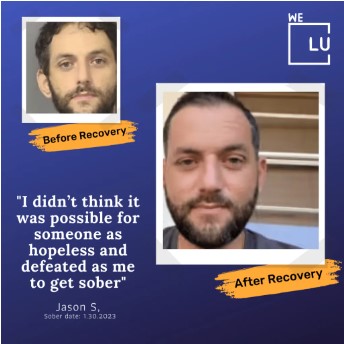
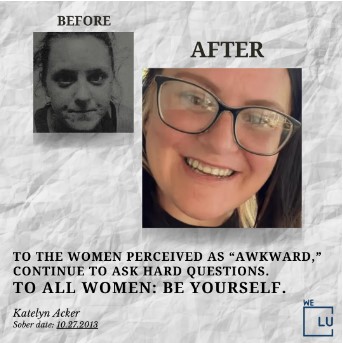
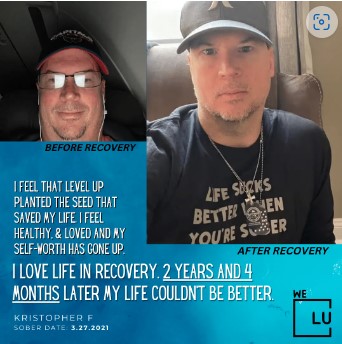
Start a New Life
Begin with a free call to a behavioral health treatment advisor. Learn more about our dual-diagnosis programs. The We Level Up treatment center network delivers recovery programs that vary by each treatment facility. Call to learn more.
- Personalized Care
- Caring Accountable Staff
- Comfortable Amenities
- Licensed & Accredited
- Renowned w/ 5-Star Reviews