
Many people with Attention Deficit Hyperactivity Disorder, also called ADHD, struggle with sleep. You may notice that falling asleep feels hard, staying asleep feels even harder, and waking up in the morning can feel like a battle. If you or someone you love lives with ADHD, these sleep problems can make daily life more stressful and tiring.
Researchers and doctors have studied the link between ADHD and sleep problems for many years. They now understand that ADHD often affects the brain systems that control sleep, attention, and energy. Because of this, many people with ADHD deal with insomnia, delayed sleep schedules, or other sleep disorders.
Learning about the ADHD sleep problems connection can help you take the right steps toward better rest and better mental health. In this guide, we will explain why sleep problems happen with ADHD, how they affect daily life, and what treatment options can help you or your loved one sleep better.
Skip To:
Understanding ADHD and How It Affects the Brain
ADHD is a brain-based condition that affects attention, behavior, and self-control. People with ADHD may have trouble focusing, sitting still, or finishing tasks. These challenges often begin in childhood, but many adults also live with ADHD.
The brain areas that control attention and planning also help control sleep and daily body rhythms. When these systems do not work in a balanced way, it can affect when a person feels tired and when they feel alert. Because of this connection, sleep challenges often appear alongside ADHD symptoms.
Many people do not realize how closely ADHD and sleep are connected. When sleep becomes poor or inconsistent, ADHD symptoms such as poor focus, mood swings, and restlessness can become stronger. This cycle can make daily life feel harder than it needs to be.
Why the Link Between ADHD and Sleep Problems Matters
The link between ADHD and sleep problems is important because sleep affects every part of mental and physical health. When someone does not sleep well, their brain struggles to regulate emotions, attention, and decision-making.
For people with ADHD, poor sleep can make symptoms worse. A child may feel more restless in school, and an adult may find it harder to stay organized at work. Over time, lack of sleep can also increase stress, anxiety, and feelings of burnout.
Understanding the connection helps patients and families find better treatment options. When doctors treat both ADHD and sleep problems together, many people see real improvement in focus, mood, and overall well being.
Common Sleep Problems in People With ADHD
Sleep issues appear in both children and adults with ADHD. Some people struggle to fall asleep, while others wake up many times during the night. These problems often happen because ADHD affects the brain’s natural sleep signals.
Researchers estimate that many people with ADHD experience at least one ongoing sleep problem. These issues can make daily life more tiring and less productive.
Insomnia and ADHD Insomnia Issues
Many people with ADHD experience insomnia. This means they have trouble falling asleep, staying asleep, or both. Their mind may stay active even when their bodies feel tired.
Racing thoughts, restlessness, and difficulty relaxing can keep the brain alert at night. Because of this, someone may lie awake for a long time before sleep finally comes. Over time, these ADHD insomnia issues can lead to chronic fatigue and stress.
Delayed Sleep Phase
Another common problem is delayed sleep phase. This means a person naturally falls asleep much later than most people. Someone with ADHD may not feel sleepy until midnight or even later.
Because school and work schedules usually start early, waking up becomes difficult. This creates a cycle where the person feels tired during the day and alert at night.
Restless Sleep
Many people with ADHD report restless sleep. Even when they fall asleep, they may toss, turn, or wake up often throughout the night. Poor sleep quality can leave someone feeling tired in the morning even after spending enough hours in bed. This can make ADHD symptoms feel stronger the next day.
Get Help. Get Better. Get Your Life Back.
Searching for Accredited Dual Diagnosis Mental Health Centers Near You?
Even if therapy failed previously, or are in the middle of a difficult crisis, we stand ready to support you. Our trusted behavioral health specialists will not give up on you. When you feel ready or just want someone to speak to about counseling alternatives to change your life call us. Even if we cannot assist you, we will lead you to wherever you can get support. There is no obligation. Call our hotline today.
FREE 24/7 Dual Diagnosis Mental Health Services HotlineADHD Circadian Rhythm Problems
The body follows a natural clock called the circadian rhythm. This clock tells us when to feel awake and when to feel sleepy. In many people with ADHD, this internal clock runs later than usual.
When the brain releases sleep hormones later in the evening, it becomes harder to fall asleep at a normal bedtime. This creates what doctors call ADHD circadian rhythm problems, where the body’s sleep cycle shifts forward by several hours.
Light exposure, screen time, and irregular schedules can make this problem worse. When sleep times move later and later, it becomes harder to maintain a healthy daily routine.
The ADHD Sleep Problems Connection in Children
Children with ADHD often show clear signs of sleep trouble. Parents may notice that their child struggles to settle down at night or wakes up many times after falling asleep. Sleep problems can make school days harder. A tired child may have trouble focusing in class, following directions or managing emotions. Teachers may notice increased hyperactivity or frustration.
Parents sometimes feel confused because a child who sleeps poorly may appear more active rather than tired. This happens because the brain tries to stay alert even when it needs rest.
Bedtime Resistance
Many children with ADHD resist bedtime routines. Their mind may stay active, and they may feel strong bursts of energy in the evening. This can lead to long bedtime struggles where children ask for water, snacks, or extra activities before finally settling down. These patterns often delay sleep even further.
Night Wakings
Children with ADHD may wake up during the night more often than other children. These awakenings can interrupt deep sleep, which is important for brain development and memory.
When this pattern continues for long periods, the child may feel tired, irritable, or unfocused the next day.

Sleep Challenges in Adults With ADHD
Adults with ADHD also experience strong sleep challenges. Many report feeling mentally active late at night even when they want to sleep. Work stress, screen use, and irregular routines can make the ADHD sleep problems connection even stronger during adulthood. These patterns often lead to chronic insomnia and daytime fatigue.
Adults with ADHD may also struggle with time management. Staying up too late, missing bedtime cues or using phones late at night can delay sleep even more.
Late Night Mental Activity
Many adults with ADHD experience racing thoughts when they try to sleep. The brain continues to process ideas, plans and worries even when the body needs rest. This mental activity can make bedtime feel frustrating. People may try to sleep but find their minds jumping from thought to thought.
Irregular Sleep Schedules
Adults with ADHD often keep inconsistent sleep schedules. Some nights they stay up very late, while other nights they try to sleep earlier. These changes confuse the body’s internal clock and make falling asleep more difficult over time.

End the Emotional Pain. Get Your Life Back.
Feeling Depressed, Anxious or Struggling with Mental Health Illness? Get Safe Comfortable Mental Health Dual Diagnosis High-Quality Therapy From Counselors That Care. Begin Your Recovery Now.
Hotline (855) 940-6125Other Sleep Disorders Linked to ADHD
Sleep problems related to ADHD do not always stop at insomnia or delayed sleep. Some people also develop other sleep disorders that affect their rest and energy levels. Doctors sometimes find that treating these sleep disorders can also improve ADHD symptoms.
Restless Legs Syndrome
Restless legs syndrome causes uncomfortable sensations in the legs, especially at night. These feelings create a strong urge to move the legs to find relief. Because symptoms appear when someone is resting, falling asleep can become very difficult.
Sleep Apnea
Sleep apnea causes breathing to pause during sleep. These pauses can happen many times each night and interrupt deep sleep cycles. People with sleep apnea often wake up feeling tired even after sleeping for many hours.
Periodic Limb Movement Disorder
This disorder causes repeated leg movements during sleep. The movements can disrupt deep sleep and reduce sleep quality. When sleep becomes fragmented, daytime focus and mood can suffer.

How Poor Sleep Makes ADHD Symptoms Worse
Sleep and attention share strong connections in the brain. When someone does not sleep well, the brain struggles to manage focus, emotions, and impulse control. For people with ADHD, poor sleep can make symptoms more intense. A tired brain has a harder time managing distractions and completing tasks.
Lack of sleep can also affect mood. People may feel more irritable, anxious, or overwhelmed when they do not get enough rest.
Focus and Memory Problems
Sleep helps the brain store information and build memory. When sleep is disrupted, learning and memory can suffer. This can make schoolwork, job tasks, and daily responsibilities feel much harder.
Emotional Regulation
Sleep also helps regulate emotions. When someone is tired, small challenges can feel much bigger. This emotional stress can make ADHD symptoms feel stronger and more difficult to manage.
First-class Facilities & Amenities
World-class High-Quality Mental Health Services & Behavioral Health Substance Abuse Treatment
Rehab Centers TourRenowned Mental Health Centers. Serene Private Facilities. Inpatient Rehab Programs Vary.
Mental Health Helpline (855) 940-6125Proven recovery success experience, backed by a Team w/ History of:
15+
Years of Unified Experience
100s
5-Star Reviews Across Our Centers
10K
Recovery Successes
- Comprehensive Dual-Diagnosis Treatment
- Complimentary Family & Alumni Programs
- Coaching, Recovery & Development Events
- Comfortable Onsite Medical Detox Center
Treatment Options for ADHD and Sleep Problems
Treating the link between ADHD and sleep problems often requires a combined approach. Doctors may look at sleep habits, mental health, medication, and daily routines. When sleep improves, many people notice better focus, stronger energy, and improved mood.
Sleep Routine Improvements
A consistent bedtime routine helps train the brain to prepare for sleep. Going to bed and waking up at the same time each day helps regulate the body clock. Reducing screen time before bed can also help the brain release natural sleep hormones.
Behavioral Therapy
Behavioral therapy can help people develop healthy sleep habits and manage ADHD symptoms. Therapists often teach relaxation methods and time management skills. These strategies help the brain slow down at night and reduce racing thoughts.
Medical Treatment
Some people benefit from medication adjustments. Doctors may change ADHD medication timing or recommend treatments that support sleep. Medical professionals may also treat conditions like insomnia or sleep apnea when needed.

Lifestyle Tips to Improve Sleep With ADHD
Small daily changes can improve sleep over time. These steps support healthy sleep habits and help regulate the body clock.
Helpful strategies include:
- Keeping a consistent bedtime and wake time
- Limiting caffeine late in the day
- Creating a calm bedtime routine
- Reducing screen exposure before sleep
- Exercising regularly during the day
- Keeping the bedroom dark and quiet
These habits help support the body’s natural sleep cycle and reduce the impact of ADHD circadian rhythm problems.
World-class, Accredited, 5-Star Reviewed, Effective Mental Health Dual Diagnosis Programs. Complete Integrated Inpatient Rehab with Free Post Discharge Therapy Planning.
CALL (855) 940-6125End the Emotional Pain Rollercoaster. Gain Stability & Happiness Through Recovery Treatment. Start Mental Health Counseling Today. Get Free No-obligation Guidance by Behaviroal Health Specialists Who Understand Mental Health Recovery.
When to Seek Professional Help
Occasional sleep trouble is normal, but ongoing problems should not be ignored. If sleep struggles continue for weeks or months, professional support may help. A mental health or sleep specialist can evaluate both ADHD symptoms and sleep patterns. This evaluation helps identify the root cause of the problem.
Professional care can also guide treatment plans that improve both sleep and attention. When both areas are treated together, recovery becomes much more achievable.
FAQs
Why do people with ADHD have trouble sleeping?
Many people with ADHD have differences in brain chemistry that affect attention and sleep cycles. These changes can delay sleep signals and make it harder to relax at night.
Can poor sleep make ADHD symptoms worse?
Yes. Lack of sleep can increase problems with focus, mood control and impulse management. Poor sleep often makes ADHD symptoms feel stronger during the day.
Do ADHD medications cause sleep problems?
Some medications can affect sleep if taken late in the day. Doctors often adjust the timing or dosage to help reduce sleep issues.
Are children with ADHD more likely to have sleep disorders?
Yes. Children with ADHD are more likely to experience insomnia, delayed sleep schedules and restless sleep compared to children without ADHD.
Can therapy help with ADHD sleep problems?
Behavioral therapy can help build healthy sleep routines and teach relaxation skills. These strategies often improve both sleep and ADHD symptoms.
When should someone see a doctor about ADHD sleep problems?
If sleep problems last several weeks, cause daytime fatigue, or affect school, work, or relationships, it is helpful to speak with a healthcare professional.
Ready to Get Started?
The link between ADHD and sleep problems is real and often overlooked. When sleep becomes difficult, ADHD symptoms such as poor focus, emotional stress, and fatigue can grow stronger. Understanding this connection helps patients and families take the right steps toward healing.
With the right support, better sleep is possible. If you or someone you love struggles with ADHD and sleep issues, professional treatment can make a real difference. Reach out to a qualified mental health provider today and start building healthier sleep habits that support long-term recovery and well-being.
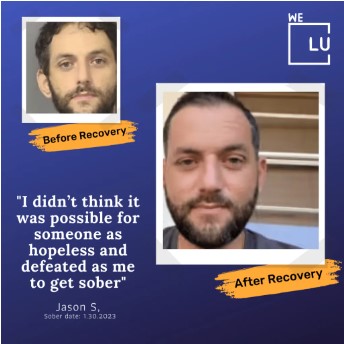
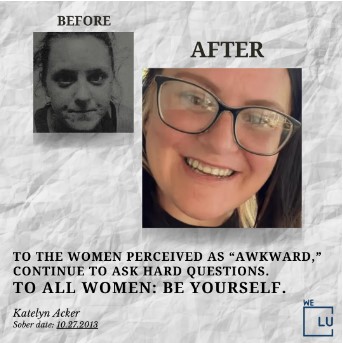
Experience Transformative Recovery at the We Level Up Treatment Center.
See our authentic success stories. Get inspired. Get the help you deserve.

Start a New Life
Begin with a free call to a behavioral health treatment advisor. Learn more about our dual-diagnosis programs. The We Level Up treatment center network delivers recovery programs that vary by each treatment facility. Call to learn more.
- Personalized Care
- Caring Accountable Staff
- Comfortable Amenities
- Licensed & Accredited
- Renowned w/ 5-Star Reviews