

By We Level Up FL Treatment Center | Editor Yamilla Francese | Clinically Reviewed By Lauren Barry, LMFT, MCAP, QS, Director of Quality Assurance | Editorial Policy | Research Policy | Last Updated: April 25, 2023
Depressive Episode: Signs, Causes, and Treatment
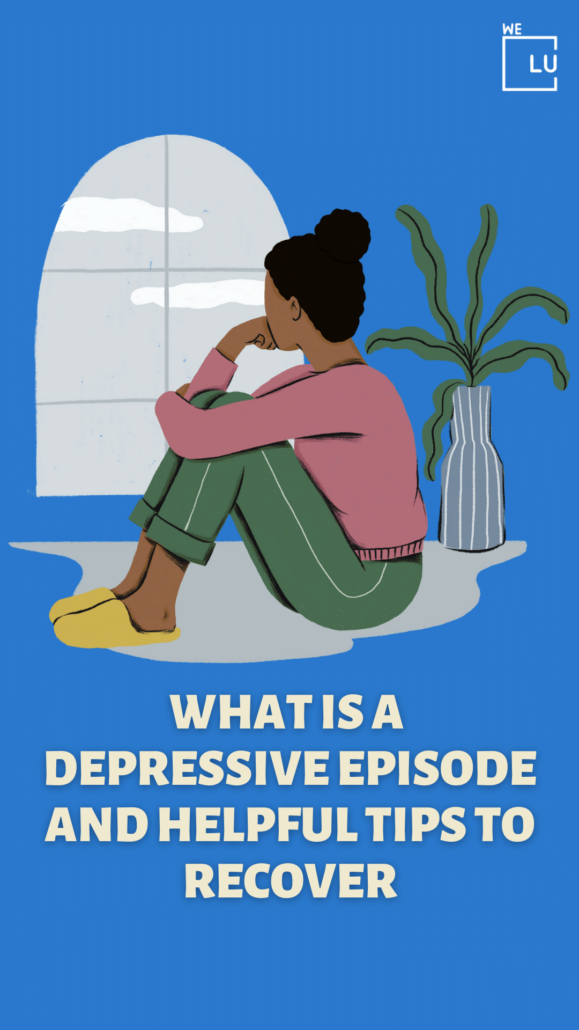
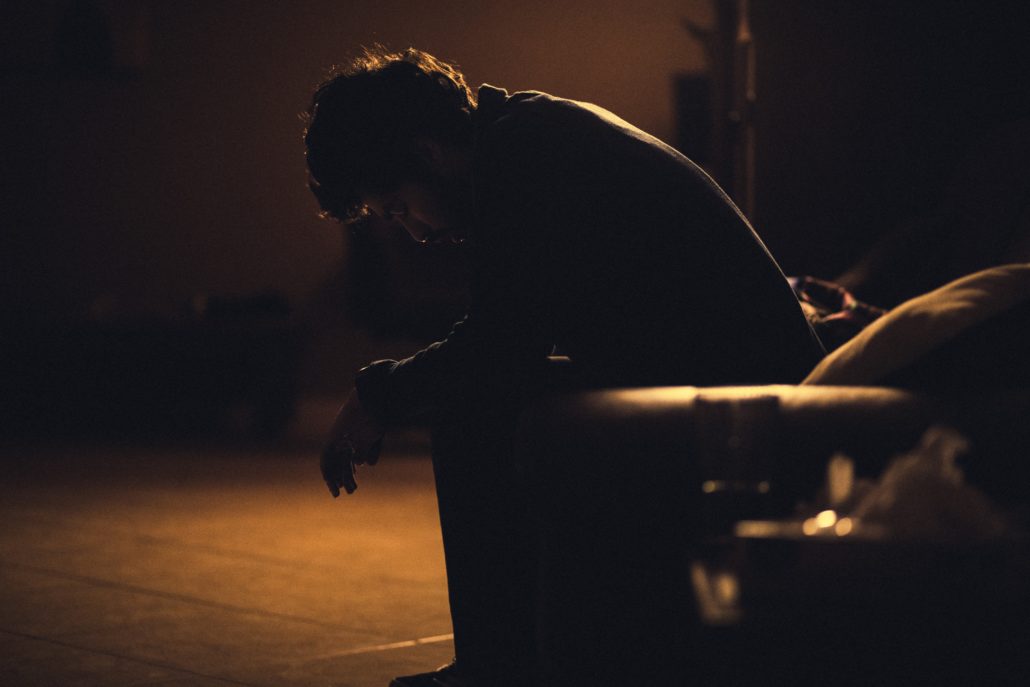
A depressive episode is more than feeling sad for a few days. It is a serious mental health condition that changes your mood, thoughts, energy, and even your daily life. Simple jobs can feel too much to handle during a depressive episode. It might be hard to get out of bed. It might feel tiring to talk to other people. You might not enjoy things as much as you used to.
These episodes can last for weeks or even months if you don’t get help. We Level Up FL can help you get back on track with your life by giving you professional help if you are having a depressive episode.
They may think they are just stressed or tired. Over time, symptoms grow stronger. Motivation drops. Focus becomes harder. Emotional pain increases. This is not a weakness. It is part of a medical condition that affects the brain and body. With the right support, recovery is possible. This guide explains depressive episode symptoms, the causes of a major depressive episode, and how treatment can help you move forward.
Ready to get started? Call (888) 861-4486 or email verifyadmissions@welevelup.comtoday. A better life is waiting for you.
Table of Contents
What Is a Depressive Episode?
A depressive episode is a period of intense sadness or loss of interest that lasts at least two weeks. Symptoms are present most of the day and interfere with daily life.
A doctor may diagnose a major depressive episode when certain criteria are met. These include changes in mood, sleep, appetite, thinking, and behavior. It is also known as a clinical depression episode.
This is one of a number of depressive disorders. It can happen to people with bipolar disorder, major depressive disorder, or other mood disorders. Even though each episode of a mood disorder may look a little different, the main signs are always the same.
A few people cry a lot. Some people don’t have any feelings. Some people are stressed and antsy. The worst signs are those that make it hard to do things like work, care for others, or take care of yourself.
Common Depressive Episode Symptoms
By noticing signs early on, you can stop them from getting worse. Many people ignore signs that something is wrong and hope it goes away.
Common depressive episode symptoms include:
- Persistent sadness or emptiness
- Loss of interest in hobbies or activities
- Fatigue or low energy
- Changes in sleep patterns
- Appetite changes or weight changes
- Difficulty concentrating
- Feelings of guilt or worthlessness
- Depression includes suicidal thoughts in severe cases.
If these signs and symptoms last more than two weeks, it could mean that you are having a major depressive episode. When suicidal ideas come up, you need to get professional help right away.
Learn more:
Get Help. Get Better. Get Your Life Back.
Searching for Accredited Dual Diagnosis Mental Health Centers Near You?
Even if therapy failed previously, or are in the middle of a difficult crisis, we stand ready to support you. Our trusted behavioral health specialists will not give up on you. When you feel ready or just want someone to speak to about counseling alternatives to change your life call us. Even if we cannot assist you, we will lead you to wherever you can get support. There is no obligation. Call our hotline today.
FREE 24/7 Dual Diagnosis Mental Health Services HotlineEmotional Changes During a Depressive Episode
Having an episode of depression changes how you see the world and yourself. Thoughts may become bad and keep coming back to you. You might think that things will never get better. You might blame yourself for things you can’t change.
These signs of depression don’t make sense in light of reality. Brain chemistry and mental stress can change them. Many people who are depressed also have anxiety problems. Fear, restlessness, and physical stress can worsen when you’re anxious. Negative ways of thinking get stronger over time. That’s why therapy is important. Treatment helps break up loops of negative thoughts.
Physical Effects of Depression
Depression is more than just feeling sad. It affects the body, too. You might get headaches, joint pain, or stomach issues. Sleep might not go as well as usual. Some people sleep too much. Some people have trouble sleeping.
Often, your appetite changes. There are people who eat less. Some people eat more. These changes can affect your health and weight. If someone with clinical sadness doesn’t get help, their health may get worse. The body’s defenses might get weaker. There may not be much energy. This makes it harder to get better.

End the Emotional Pain. Get Your Life Back.
Feeling Depressed, Anxious or Struggling with Mental Health Illness? Get Safe Comfortable Mental Health Dual Diagnosis High-Quality Therapy From Counselors That Care. Begin Your Recovery Now.
Hotline (855) 940-6125What Causes a Major Depressive Episode?
There is no single cause of a major depressive episode. It usually develops from a combination of factors.

Brain Chemistry
Neurotransmitters control how we feel and what drives us. Symptoms show up when levels change. Medication for depression may aid in regaining equilibrium. Antidepressant medication side effects are closely monitored by medical professionals to ensure patient safety.
Stress and Trauma
A mood disorder episode can be caused by the death of a loved one, a breakup, stress over money, or a traumatic event. When you’re stressed for a long time, your body stays tense. This makes people more vulnerable over time.
Genetics
A family background of depressive disorders makes the risk higher. Genetics doesn’t make someone depressed, but it does make them more sensitive to stress.
Co-Occurring Disorders
Anxiety disorders and drug use disorders often happen at the same time as depression. Symptoms may feel worse and last longer when both are present.
Types of Depression That Include Depression Episodes
Repeated depressive spells are a part of different types of depression. There is one or more major events in major depressive disorder. The signs of persistent depressive disorder are milder and last longer. Bipolar disorder includes both episodes of low mood and episodes of high mood.
Knowing the different kinds of depression can help with deciding how to treat them. Each type needs a different method.
The Link Between Depression and Substance Use
Some people drink or do drugs to dull their mental pain. This might help for a short time, but it usually makes conditions worse.
Things change the brain’s makeup. They raise the chance of relapse and make depressive symptoms worse. Addiction may happen over time.
Dual diagnosis care at We Level Up FL help people with both depression and drug abuse at the same time. Integrated care makes long-term recovery better and lowers the risk of relapse.
First-class Facilities & Amenities
World-class High-Quality Mental Health Services & Behavioral Health Substance Abuse Treatment
Rehab Centers TourRenowned Mental Health Centers. Serene Private Facilities. Inpatient Rehab Programs Vary.
Mental Health Helpline (855) 940-6125Proven recovery success experience, backed by a Team w/ History of:
15+
Years of Unified Experience
100s
5-Star Reviews Across Our Centers
10K
Recovery Successes
- Comprehensive Dual-Diagnosis Treatment
- Complimentary Family & Alumni Programs
- Coaching, Recovery & Development Events
- Comfortable Onsite Medical Detox Center
Treatment Options
Treatment depends on symptom severity and personal history. Early intervention improves outcomes.
At We Level Up FL, we offer:
- Individual therapy to address negative thinking patterns
- Medication management when needed
- Residential treatment
- PHP
- Inpatient Programs
- Dual diagnosis care
Therapy often includes Cognitive Behavioral Therapy. This helps identify and change harmful thoughts. Structured programs create routine and accountability. When symptoms are moderate to serious, medicine may help the brain’s chemistry.
Treatment plans are made specifically for each person.
World-class, Accredited, 5-Star Reviewed, Effective Mental Health Dual Diagnosis Programs. Complete Integrated Inpatient Rehab with Free Post Discharge Therapy Planning.
CALL (855) 940-6125End the Emotional Pain Rollercoaster. Gain Stability & Happiness Through Recovery Treatment. Start Mental Health Counseling Today. Get Free No-obligation Guidance by Behaviroal Health Specialists Who Understand Mental Health Recovery.
Why Choose We Level Up FL
It’s important to pick the right treatment place. At We Level Up FL, we offer care grounded in research in a structured, helpful environment.
Our licensed experts know how a depressive episode can hurt your physical and mental health. We create unique treatment plans for each client that meet their needs.
When needed, clients get therapy, help with their medications, and care for dual diagnoses. We provide a range of care, including residential treatment, PHP, and Intensive Outpatient Programs.
Our goal is long-term stability. We focus on building coping skills, strengthening resilience, and preparing clients for continued success after treatment.
Ready to get started? Call (888) 861-4486 or email verifyadmissions@welevelup.comtoday. A better life is waiting for you.
Preventing Future Episodes
Getting better doesn’t mean that recovery is over. Care that lasts is very important. A good night’s sleep helps keep your mood stable. Well-balanced meals keep you going. Regular exercise improves brain function. Taking care of your worry lowers your emotional overload.
As part of preparing for aftercare, people can keep going to therapy, join support groups, and learn how to avoid relapse. If you know the early warning signs, you can act quickly if your symptoms return. After having a clinical depression episode, many people go on to live stable, happy lives. Support and consistency are what make a difference.
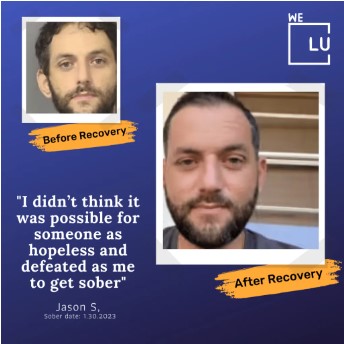
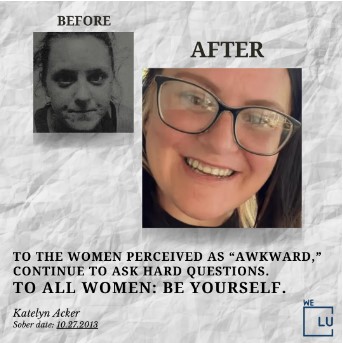
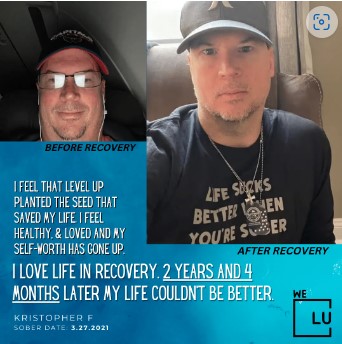
Experience Transformative Recovery at the We Level Up Treatment Center.
See our authentic success stories. Get inspired. Get the help you deserve.
Start a New Life
Begin with a free call to a behavioral health treatment advisor. Learn more about our dual-diagnosis programs. The We Level Up treatment center network delivers recovery programs that vary by each treatment facility. Call to learn more.
- Personalized Care
- Caring Accountable Staff
- Comfortable Amenities
- Licensed & Accredited
- Renowned w/ 5-Star Reviews
We’ll Call You
Frequently Asked Questions
What is a depressive episode?
It is a period of intense sadness or loss of interest lasting at least two weeks and affecting daily life.
What are common depressive episode symptoms?
Symptoms include low mood, fatigue, sleep changes, appetite changes, and difficulty concentrating.
What is a major depressive episode?
A major depressive episode is a severe form of depression that meets medical criteria and requires professional treatment.
Does depression include suicidal thoughts?
Yes. Severe depression can include suicidal thoughts. Immediate help is necessary if these thoughts occur.
How does We Level Up FL offer help?
We Level Up FL provides therapy, medication management, residential treatment, outpatient programs, and dual diagnosis care to support recovery.
Can a clinical depression episode return?
Yes. Depression can return during stress. Ongoing therapy and healthy habits reduce the risk of relapse.
Take a Step Forward
A depressive episode can make you feel lost, exhausted, and alone. You may feel like the darkness will never lift. But this moment does not define your future. Healing begins when you reach for support.
At We Level Up FL, we provide structured care that restores hope and stability. Call (855) 940-6125 today. Let this be the moment you choose support over silence and strength over fear. Recovery is possible. Your life has value. Your healing can begin now.