Endogenous Depression: Causes, Symptoms & Treatment
Not always does a sad event trigger depression. Some people are very sad even when everything seems fine. They might feel empty when they wake up for no clear reason. It can be hard to understand and deal with this kind of sadness. Mood changes more often than worry from the outside world are to blame. Endogenous depression is the name for this state.
If you or someone you care about has endogenous depression, We Level Up FL can help. We offer professional mental health and dual-diagnosis care to help people heal for good.
Table of Contents
What Is Endogenous Depression?
Depression that originates inside the body is known as endogenous depression. When something is indigenous, it means it comes from inside. This type of sadness may not have a clear cause, unlike depression caused by loss or trauma.
Doctors used this word a lot in the past. It is frequently referred to as a major depressive disorder subtype in modern times. When it comes to changes in the brain, it doesn’t consider events in the outside world.
It’s possible for people with this disease to feel sad for no reason. Even with a stable job, family, or a team of friends, they may still feel lost or numb.
Learn More:
- Holiday Depression Quotes
- High Functioning Depression
- Rehab for Depression
- Depression at an All-Time High
- Help a Friend with Depression
- Covid Depression
- Depression and Anxiety Quotes
- Covid 19 Depression
- Holiday Depression
- How to Help Someone with Drug Addiction and Depression?
- Postpartum Depression Treatment
- Depression Treatment
Get Help. Get Better. Get Your Life Back.
Searching for Accredited Dual Diagnosis Mental Health Centers Near You?
Even if therapy failed previously, or are in the middle of a difficult crisis, we stand ready to support you. Our trusted behavioral health specialists will not give up on you. When you feel ready or just want someone to speak to about counseling alternatives to change your life call us. Even if we cannot assist you, we will lead you to wherever you can get support. There is no obligation. Call our hotline today.
FREE 24/7 Dual Diagnosis Mental Health Services HotlineHow Is It Different From Other Depression?
Many forms of depression are linked to stress, trauma, or grief. Those are called reactive forms. It is often called depression without triggers because it may begin without a clear cause.
Life stress is still important, though. It means that the main reason is thought to be inside the person. Hormone levels, brain chemistry, and genes may all play a role. Knowing this difference makes you feel less guilty. Not being weak, depression is. It’s a health problem.
Common Endogenous Depression Symptoms
Eendogenous depression symptoms are similar to those of other forms of major depression. However, they may feel more intense and long-lasting.
Common signs include:
- Deep sadness that lasts most of the day
- Loss of interest in activities once enjoyed
Low energy, trouble sleeping, changes in appetite, slowed thinking, and feelings of not being worth anything are other signs that may be present.
Some people wake up early and can’t fall back asleep. Some people feel worse in the morning and a little better in the afternoon. If these symptoms last longer than two weeks, you should see a doctor.
What Causes Endogenous Depression?

According to experts, biological depression plays a significant part. Neurotransmitters are chemicals in the brain that help manage mood. If these chemicals are out of balance, sadness may happen.
Genes are also important. Some people may be more likely to get depressed if they have a family background of it. Mood can also change due to hormonal fluctuations and health problems.
This kind of depression isn’t always caused by stress. But stress can make signs worse after they start. Brain health is linked to mental health in this case.
Risk Factors
Several factors may increase the risk of developing endogenous depression:
- Family history of mood disorders
- Past episodes of depression
- Chronic illness
- Hormonal changes
- Substance use
Substance use can both hide and worsen depression. Alcohol and drugs may numb pain at first, but they often deepen sadness over time.
How Is It Diagnosed?
Through interviews and assessments, doctors and licensed therapists identify this disease. They ask about symptoms, medical background, and how well you can do with daily tasks. This type of sadness can’t be diagnosed with a single lab test.
Providers instead look for trends. They check how long the symptoms last and how they affect relationships and work. In some cases, tests can rule out thyroid issues or other physical reasons. Treatment plans are based on a clear evaluation.


End the Emotional Pain. Get Your Life Back.
Feeling Depressed, Anxious or Struggling with Mental Health Illness? Get Safe Comfortable Mental Health Dual Diagnosis High-Quality Therapy From Counselors That Care. Begin Your Recovery Now.
Hotline (855) 940-6125
Treatment Options
Treatment focuses on balancing brain chemistry and building coping skills.
Therapy
CBT helps people change the way they think about things that are making them unhappy. Therapy teaches people how to deal with worry and mood swings. It also helps you feel better emotionally.
Medication
Antidepressants might help the brain’s chemicals get back to normal. A psychiatric provider carefully keeps an eye on doses and side effects.
Structured Care
Structured programs offer more help when symptoms are serious. There is therapy several days a week in both Partial Hospitalization Programs and Intensive Outpatient Programs. Full-time care is given in residential treatment when safety or security is at risk. Each plan is based on what each person needs.
First-class Facilities & Amenities
World-class High-Quality Mental Health Services & Behavioral Health Substance Abuse Treatment
Rehab Centers TourRenowned Mental Health Centers. Serene Private Facilities. Inpatient Rehab Programs Vary.
Mental Health Helpline (855) 940-6125Proven recovery success experience, backed by a Team w/ History of:
15+
Years of Unified Experience
100s
5-Star Reviews Across Our Centers
10K
Recovery Successes
- Comprehensive Dual-Diagnosis Treatment
- Complimentary Family & Alumni Programs
- Coaching, Recovery & Development Events
- Comfortable Onsite Medical Detox Center
When Depression and Addiction Overlap
Many people who are suffering from depression without triggers turn to drugs or alcohol to feel better. It might feel good at first to drink or do drugs. They make mood problems worse over time.
It’s called dual diagnosis when someone has both sadness and an addiction at the same time. Taking care of both problems at the same time helps the body heal faster. Putting off one problem can make the other one take longer to fix.
Living With Major Depressive Disorder Subtype
Being alone can feel like a major depressive disorder subtype. But it is possible to get better. The things you do every day help with healing. Getting enough sleep, eating well, and doing light exercise can all help your brain work better.
Staying in touch with safe people helps you feel less alone. Sometimes depression comes back. Early care makes things less bad. Getting ongoing care makes you stronger. It takes time to heal. Hope gets stronger when it has the right help.
Why Choose We Level Up FL
People with endogenous depression can get full mental health and dual diagnosis treatment at We Level Up FL. We offer psychiatric evaluations, therapy, medical detox, residential care, Partial Hospitalization Programs, and Inpatient treatment.
When it’s necessary, we treat drug abuse, trauma, and mood disorders all at the same time. Our licensed staff uses methods that have been shown to work in a structured, caring setting. Help from peers is good, but clinical care provides medical control and long-term planning. We focus on steady progress and long-term security.
World-class, Accredited, 5-Star Reviewed, Effective Mental Health Dual Diagnosis Programs. Complete Integrated Inpatient Rehab with Free Post Discharge Therapy Planning.
CALL (855) 940-6125End the Emotional Pain Rollercoaster. Gain Stability & Happiness Through Recovery Treatment. Start Mental Health Counseling Today. Get Free No-obligation Guidance by Behaviroal Health Specialists Who Understand Mental Health Recovery.
Frequently Asked Questions
What is endogenous depression?
It is a form of depression believed to be caused mainly by internal biological factors rather than outside events.
What are common endogenous depression symptoms?
Deep sadness, low energy, changes in sleep and appetite, and a loss of interest in daily tasks are all signs.
What are the causes of biological depression?
Biological depression causes include chemical imbalances in the brain, genetics, and hormone changes.
Is endogenous depression a major depressive disorder subtype?
Yes. It is often considered a major depressive disorder subtype focused on internal causes.
How does We Level Up FL help?
We Level Up FL provides therapy, psychiatric care, medication management, medical detox, residential treatment, and dual diagnosis programs.
Can depression without triggers improve with treatment?
Yes. With therapy, medication, and structured support, many people experience meaningful improvement.
Take the First Step Toward Healing
If you feel deep sadness that does not make sense, you are not weak. Endogenous depression is a real medical condition that deserves care. You deserve relief from heavy thoughts and low energy.
At We Level Up FL, compassionate professionals provide therapy, structure, and dual diagnosis support when needed. You do not have to face this alone. Every day without help can feel harder than the last.
Call (855) 940-6125 today. Let this call be the moment you choose clarity, strength, and a brighter emotional future.
Experience Transformative Recovery at the We Level Up Treatment Center.
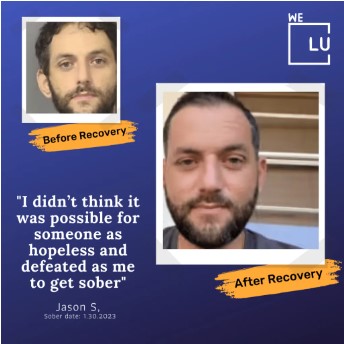
See our authentic success stories. Get inspired. Get the help you deserve.
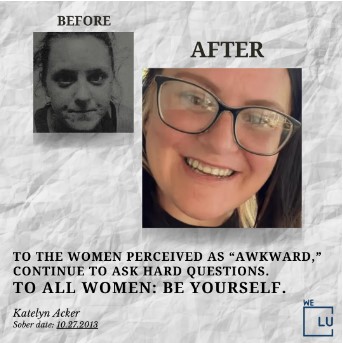
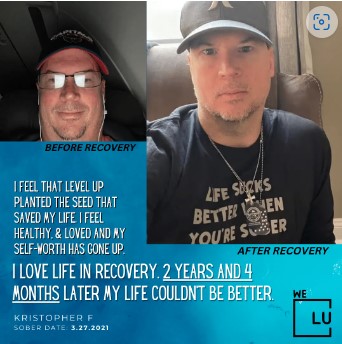
Start a New Life
Begin with a free call to a behavioral health treatment advisor. Learn more about our dual-diagnosis programs. The We Level Up treatment center network delivers recovery programs that vary by each treatment facility. Call to learn more.
- Personalized Care
- Caring Accountable Staff
- Comfortable Amenities
- Licensed & Accredited
- Renowned w/ 5-Star Reviews
We’ll Call You
Search We Level Up FL “What is Endogenous Depression?” Mental Health Topics & Resources
Sources
[1] Depression – (NIMH) National Institute of Mental Health
[2] Matsunami K. [The clinical meaning and academic significance of “endogenous depression” as an ideal type]. Seishin Shinkeigaku Zasshi. 2013;115(3):267-76. Japanese. PMID: 23691813.
[3] Chand SP, Arif H. Depression. [Updated 2022 Jul 18]. In: StatPearls [Internet]. Treasure Island (FL): StatPearls Publishing; 2022 Jan-. Available from: https://www.ncbi.nlm.nih.gov/books/NBK430847/
[4] InformedHealth.org [Internet]. Cologne, Germany: Institute for Quality and Efficiency in Health Care (IQWiG); 2006-. Depression: How effective are antidepressants? [Updated 2020 Jun 18]. Available from: https://www.ncbi.nlm.nih.gov/books/NBK361016/
[5] Bains N, Abdijadid S. Major Depressive Disorder. [Updated 2022 Jun 1]. In: StatPearls [Internet]. Treasure Island (FL): StatPearls Publishing; 2022 Jan-. Available from: https://www.ncbi.nlm.nih.gov/books/NBK559078/
[6] Medical Encyclopedia → Depression – U.S. Department of Health and Human Services National Institutes of Health
[7] Chand SP, Arif H. Depression. [Updated 2022 Jul 18]. In: StatPearls [Internet]. Treasure Island (FL): StatPearls Publishing; 2022 Jan-. Available from: https://www.ncbi.nlm.nih.gov/books/NBK430847/
[8] InformedHealth.org [Internet]. Cologne, Germany: Institute for Quality and Efficiency in Health Care (IQWiG); 2006-. Depression: How effective are antidepressants? [Updated 2020 Jun 18]. Available from: https://www.ncbi.nlm.nih.gov/books/NBK361016/
[9] Bains N, Abdijadid S. Major Depressive Disorder. [Updated 2022 Jun 1]. In: StatPearls [Internet]. Treasure Island (FL): StatPearls Publishing; 2022 Jan-. Available from: https://www.ncbi.nlm.nih.gov/books/NBK559078/
[10] Medical Encyclopedia → Depression – U.S. Department of Health and Human Services National Institutes of Health