
Alcoholism Treatment: Effective Detox for Alcohol Addiction
We Level Up FL is a primary mental health center offering secondary co-occurring treatments. We treat the entirety of behavioral health disorders including their secondary corresponding illnesses to improve long-term recovery outcomes.
Editor Yamilla Francese
Clinically Reviewed by Lauren Barry, LMFT, MCAP, QS
Medically Reviewed by Ali Nikbakht, PsyD
Updated on July 2, 2026 — Editorial Policy | Research Policy
Alcoholism can turn drinking into a private cycle of bargaining, regret, and promises to stop tomorrow. What once felt social or calming may begin affecting sleep, honesty, health, and family trust deeply. When alcohol keeps becoming the answer, professional treatment can help interrupt the pattern more safely. We Level Up offers alcoholism treatment in Tamarac, FL on North University Drive, near the Sawgrass Expressway, serving Sunrise, Lauderhill, and Pompano Beach.
Care is available 24 hours a day, 7 days a week, so support is not limited by timing. Without focused care, alcohol use can keep damaging judgment, relationships, and the ability to choose differently. A structured alcohol abuse treatment plan can help clients address drinking patterns before recovery loses momentum. The work should feel honest, practical, and supported before shame has the final word in recovery.
Treatment can help clients examine the moments when drinking starts to seem like the easiest answer. Those moments may involve loneliness, pressure, pain, celebration, boredom, or fear that has gone unspoken too. By naming these patterns, clients can practice choices that are not driven by alcohol each day. Lasting change becomes easier when treatment helps people understand both the drinking and the reason behind it.
Table of Contents
Understanding Alcohol Addiction
Alcohol use disorder is a form of alcohol addiction. It affects how the brain works and how a person acts. Someone who is addicted to booze may really want to drink even if it’s bad for them.
When you drink, your body gets used to it. This process is called tolerance. Some people may need more to drink the same amount. If someone stops drinking, their body might still show signs of being hooked.
Common warning signs of alcohol addiction include:
- Drinking more than planned or drinking for longer periods
- Difficulty controlling alcohol use
- Strong cravings for alcohol
- Problems at work, school, or home due to drinking
- Continuing to drink despite health or relationship issues
Early signs can show that a person needs alcohol dependence treatment. Getting help early can stop the problem from getting worse.
Why Professional Alcoholism Treatment Matters
Yes, some people do try to stop drinking by themselves. It’s important to be strong, but sometimes alcohol detox is painful and even dangerous.
Medical assistance is available in alcohol detox and recovery programs. They also help you feel better emotionally. These groups look at why people get hooked on drinking and help them stop in a safe way.
Some people drink to deal with worry, bad things that happen, or issues with their mental health. This is something that people who get help learn more about and how to deal with in a healthy way.
Professional care often includes:
- Medical support during withdrawal
- Therapy for emotional healing
- Education about addiction and recovery
- Support from trained professionals
- Tools for building healthy coping skills
Get the right care to get better and have a better chance of getting better.
Inpatient Alcoholism Rehab
Inpatient alcoholism rehab lets people get organized care in their own homes. Every day, people who live at the recovery center go to therapy and get care. Folks who are really hooked on drugs or who keep coming back are often told to get this level of care.
Inpatient programs may include:
- Individual therapy sessions
- Group counseling
- Behavioral therapies such as CBT and DBT
- Mental health support
- Wellness and life skills training
Outside distractions can make it harder to get better. Patients can stay focused when they are in a care setting.
Types of Alcohol Addiction Treatment Programs
Each person has their own special way to heal. People need different types of care. Alcohol addiction treatment programs offer several options to meet those needs.
Medical Alcohol Detox
In most cases, detox comes first. The body gets rid of booze while detox is going on, and medical staff watches for symptoms.
Anxiety, sweating, nausea, shaking, and trouble sleeping are all common withdrawal signs. In the worst cases, addiction can cause seizures or make you lose your mind.
Medical detox provides:
- 24-hour medical monitoring
- Medication to ease withdrawal symptoms
- A calm and supportive environment
- Professional care that improves safety
Detox prepares individuals for the next stage of treatment.
Outpatient Alcohol Rehab Programs
Some people get better while still having to do their daily things. Some people would rather get care at home. It is possible to do this with outpatient alcohol rehab center programs.
Outpatient programs may include:
- Scheduled counseling sessions
- Group therapy meetings
- Relapse prevention planning
- Family counseling
A lot of people move on to outpatient care after they are done with hospital care.
Therapies Used in Alcohol Dependence Treatment
Several different types of therapy are typically used in successful alcohol dependence treatment. These treatments help people understand addiction and form better habits.
Cognitive Behavioral Therapy
CBT aids in the identification of addictive thoughts. Patients learn how to change their thoughts and act in better ways.
Trauma-Informed Therapy
Abuse can happen when someone has been hurt in the past. Trauma-informed therapy helps people who have been hurt in the past feel safe and supported as they heal.
Group Therapy
People who are getting better can tell each other their stories in group therapy. It can help you feel better and less alone to listen to other people.
Family Therapy
Everyone in the family is frequently affected by addiction. Family treatment makes it easier for people to trust each other and talk to each other. These treatments make people feel better on a mental level. They also teach skills that help people heal in the long term.
Long-Term Recovery and Relapse Prevention
It’s still possible to get better after treatment is over. To be successful in the long run, you need to keep getting help and making changes to your healthy lifestyle.
Strong alcohol addiction treatment programs teach relapse prevention strategies such as:
- Recognizing triggers that lead to drinking
- Managing stress in healthy ways
- Building daily routines that support wellness
- Strengthening relationships with supportive people
- Participating in aftercare or recovery groups
Treatment centers frequently provide alumni programs and ongoing therapy as well. Having these tools around helps people stay motivated and committed to their healing.
Mental Health and Alcohol Addiction
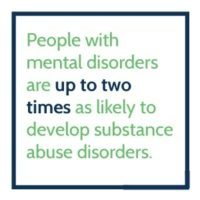
Problems with mental health often happen at the same time as drinking. Stress, depression, anxiety, and traumatic events can have a big impact on a person. These issues can make it more likely for people to use drugs or drink. Being mentally ill gets worse over time if you don’t get help.
In successful alcohol dependence treatment, both addiction and mental health issues are addressed. Two or more diagnoses can be treated at the same time.
Integrated care may include:
- Mental health evaluations
- Medication management when needed
- Therapy for anxiety, depression, or trauma
- Emotional regulation training
Treating both conditions improves long-term recovery outcomes.
Why Choose We Level Up FL
Getting better can go a long way if you find the right treatment center. There are programs at We Level Up FL that are meant to help people who are having problems with drugs or their mental health. Our method is based on treatment, medical care, and getting better as a person.
Treatment services may include:
- Medical alcohol detox and treatment
- Structured inpatient alcoholism rehab programs
- Individual, group, and family therapy
- Bipolar and alcohol rehab
- Personalized treatment planning
- Aftercare and relapse prevention support
Our team knows that getting better is more than just giving up drinking. To truly heal, you need to build up your confidence, your relationships, and your sense of purpose.
Ready to get started? Call (888) 606-5120 or email verifyadmissions@welevelup.com today. A better life is waiting for you.
Frequently Asked Questions
What is alcoholism treatment?
It is a planned program that helps people who are addicted to alcohol stop drinking and get better. Detox, therapy, counseling, and long-term help for recovery are common parts of treatment.
How long does alcohol addiction treatment last?
Treatment lasts as long as it takes for each person. Detox might take a few days, and programs for people who live in or near the hospital might last weeks or months.
What happens during alcohol detox?
Doctors keep an eye out for withdrawal signs during alcohol detox and treatment. If needed, they give medicine. It’s safer and less painful now.
Is inpatient alcoholism rehab necessary?
Some people who are severely addicted to alcohol may need to stay at an alcohol rehab center. A safe home is also helpful for people who often slip back into old habits. People who live in residential care get punishment and ongoing help.
What therapies are used in alcohol addiction treatment programs?
Numerous types of therapy are used in the majority of alcohol addiction treatment programs. Behavioral therapy, group counseling, family therapy, and mental health help are some of these.
How does We Level Up FL help?
We Level Up FL offers therapy and medical detox programs to help people get better. The team gives each person care, mental support, and tools to keep them from relapsing.
Take the First Step Toward Recovery
With the right help, recovery from alcohol addiction can feel like it’s not even possible. Kind and caring alcoholism treatment can help people feel healthy and hopeful again. The people who work at We Level Up FL know how hard it is to ask for help.
When you reach out, you will be met with care, respect, and understanding. Do not wait for things to get worse if you or someone you care about is having a hard time. Call We Level Up FL at (855) 940-6125. One talk with someone could lead to healing, recovery, and a life without alcoholism in the future.
Ready to get started? Call (888) 606-5120 or email verifyadmissions@welevelup.com today. A better life is waiting for you.
