Depression after drinking is more common than many people think. You may notice that after a night of alcohol use, your mood drops the next day. You may feel sad, anxious, guilty, or empty. Some people call this feeling “hangxiety,” but for others it feels much deeper.
If you or someone you love struggles with depression after alcohol use, you are not weak. Alcohol changes how the brain works. It can affect mood, sleep, and energy for days. When drinking becomes frequent, the emotional crash can grow stronger.
In this guide, we will explain alcohol induced depression and treatment options. You will learn why drinking and mood changes are connected, what signs to watch for, and how to get real help.
Skip to:
What Is Depression After Drinking?
Depression after drinking means feeling low, sad, or hopeless after alcohol use. These feelings may start the next day or even a few hours after drinking. For some people, the mood shift is mild. For others, it feels heavy and hard to manage.
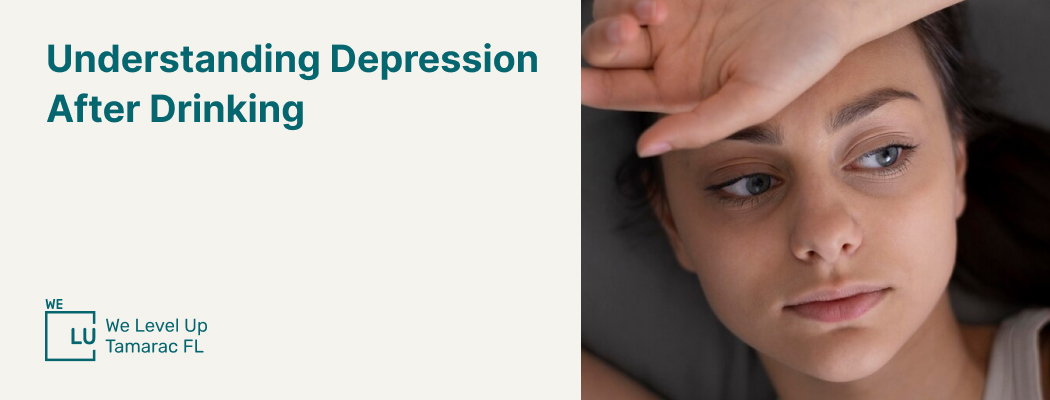
Alcohol is a depressant. This means it slows down the brain and nervous system. At first, drinking may make you feel relaxed or happy. Later, your brain tries to rebalance itself. That rebound effect can cause post drinking depression.
If someone drinks often, these mood drops may happen more often. Over time, alcohol induced depression can last longer and feel more intense.
Is It Just a Hangover?
A hangover often includes headache, nausea, and tiredness. Post-drinking depression focuses more on mood and emotions. You may feel shame about what you said or did. You may also feel sudden sadness with no clear reason. If these mood changes happen often, it may be more than a simple hangover. It could be a sign that alcohol is harming your mental health.
Get Help. Get Better. Get Your Life Back.
Searching for Accredited Dual Diagnosis Mental Health Centers Near You?
Even if therapy failed previously, or are in the middle of a difficult crisis, we stand ready to support you. Our trusted behavioral health specialists will not give up on you. When you feel ready or just want someone to speak to about counseling alternatives to change your life call us. Even if we cannot assist you, we will lead you to wherever you can get support. There is no obligation. Call our hotline today.
FREE 24/7 Dual Diagnosis Mental Health Services HotlineWhy Does Alcohol Cause Depression?
Alcohol changes brain chemicals that control mood. It affects serotonin and dopamine, which help you feel calm and happy. When alcohol leaves your system, these chemicals drop. That drop can lead to depression after alcohol use.
Drinking also affects sleep. Even if you fall asleep fast, the quality of sleep is poor. Poor sleep makes mood worse and lowers stress control. This is one reason drinking and mood changes go hand in hand. Over time, heavy drinking can change the brain in deeper ways. The body begins to depend on alcohol to feel normal. Without it, sadness and anxiety can feel stronger.
The Brain and Mood Cycle
When you drink, your brain releases feel-good chemicals. You may feel more social or relaxed. After the alcohol wears off, your brain tries to reset. This reset can cause irritability, low mood, and worry. If drinking happens again to escape those feelings, the cycle continues. This pattern increases the risk of alcohol induced depression.

Signs of Alcohol Induced Depression
Depression after drinking can look different for each person. Some people cry the next day easily. Others feel numb or empty. You may lose interest in normal activities.
Common signs include:
- Deep sadness the day after drinking
- Strong guilt or regret
- Anxiety or panic feelings
- Trouble sleeping
- Low energy and poor focus
- Thoughts of hopelessness
If these signs last more than a few days or happen often, it may be time to seek help.
When It Becomes Serious
Occasional sadness after drinking is common. Ongoing depression after alcohol use is not. If mood symptoms grow stronger or last weeks, this could mean a deeper problem. Thoughts of self harm or feeling that life is not worth living are serious warning signs. If this happens, seek immediate professional help at We Level Up FL.
End the Emotional Pain. Get Your Life Back.
Feeling Depressed, Anxious or Struggling with Mental Health Illness? Get Safe Comfortable Mental Health Dual Diagnosis High-Quality Therapy From Counselors That Care. Begin Your Recovery Now.
Hotline (855) 940-6125Drinking and Mood Changes Over Time
At first, alcohol may seem like it helps stress. Many people drink to relax after a hard day. The problem is that alcohol only masks emotions for a short time. As drinking continues, the brain becomes less able to manage mood naturally. This can lead to stronger post drinking depression. The person may drink more often to escape these feelings.
Over time, this pattern increases the risk of alcohol use disorder. When alcohol use disorder and depression happen together, treatment becomes even more important.
The Risk of Dual Diagnosis
When someone has both alcohol problems and depression, this is called a co-occurring disorder. Each condition makes the other worse. Treating only the drinking without treating depression often leads to relapse. Treating only depression without stopping alcohol use may not work well either. Both issues need care at the same time.
Who Is at Higher Risk?
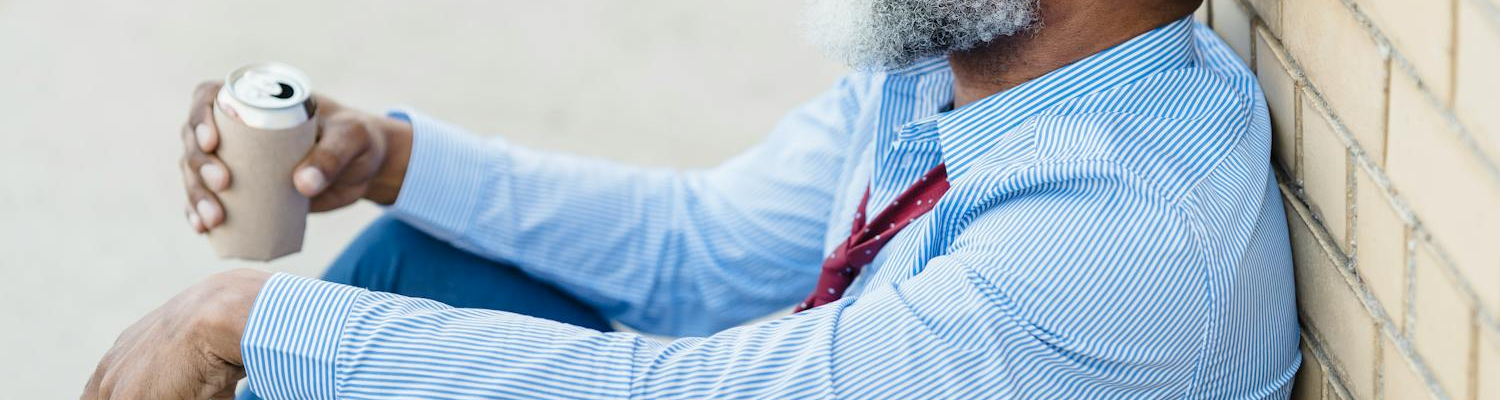
Anyone can experience depression after drinking, but some people face a higher risk. People with a history of depression or anxiety are more likely to feel strong mood drops after alcohol use.
Teens and young adults may also be more sensitive to drinking and mood changes. Older adults may experience stronger effects because of slower metabolism and health conditions.
Other risk factors include:
- Family history of addiction
- High stress levels
- Trauma history
- Social isolation
- Heavy or binge drinking
Knowing your risk helps you make safer choices.
First-class Facilities & Amenities
World-class High-Quality Mental Health Services & Behavioral Health Substance Abuse Treatment
Rehab Centers TourRenowned Mental Health Centers. Serene Private Facilities. Inpatient Rehab Programs Vary.
Mental Health Helpline (855) 940-6125Proven recovery success experience, backed by a Team w/ History of:
15+
Years of Unified Experience
100s
5-Star Reviews Across Our Centers
10K
Recovery Successes
- Comprehensive Dual-Diagnosis Treatment
- Complimentary Family & Alumni Programs
- Coaching, Recovery & Development Events
- Comfortable Onsite Medical Detox Center
How to Break the Cycle
The first step in stopping depression after alcohol use is honesty. Ask yourself how often drinking leads to a low mood. Notice patterns without judging yourself. Reducing or stopping alcohol often improves mood over time. The brain can heal when given the chance. Sleep improves. Energy returns. Emotional balance becomes stronger.
Healthy coping skills help replace alcohol. These include exercise, deep breathing, journaling, and talking with trusted people. Support makes a big difference.
Professional Treatment Options
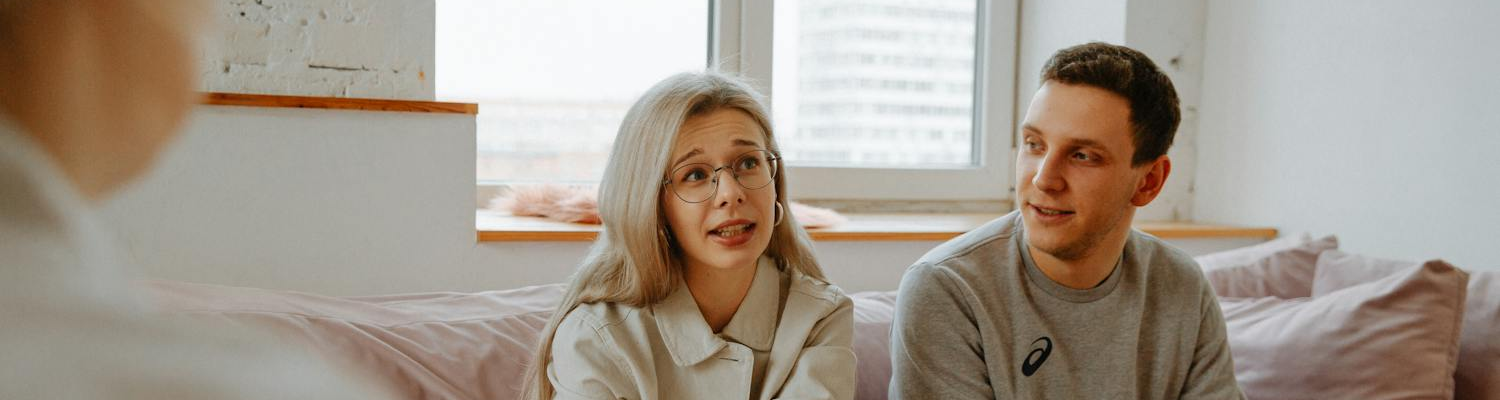
If alcohol induced depression feels hard to manage alone, professional care can help. Treatment may include therapy, medical support and structured programs. Cognitive behavioral therapy helps people understand the link between thoughts, feelings, and drinking behavior. In some cases, medication may support recovery.
Many treatment centers offer programs for both addiction and mental health. This approach treats the full person, not just one symptom.
World-class, Accredited, 5-Star Reviewed, Effective Mental Health Dual Diagnosis Programs. Complete Integrated Inpatient Rehab with Free Post Discharge Therapy Planning.
CALL (855) 940-6125End the Emotional Pain Rollercoaster. Gain Stability & Happiness Through Recovery Treatment. Start Mental Health Counseling Today. Get Free No-obligation Guidance by Behaviroal Health Specialists Who Understand Mental Health Recovery.
Supporting a Loved One
Watching someone struggle with depression after drinking can feel painful. You may feel worried, frustrated or helpless. Your support matters more than you know. Speak with care and avoid blame. Focus on concern, not anger. Encourage professional help in a calm and loving way.
You can also set healthy boundaries. Protecting your own mental health allows you to stay strong and supportive over time.
Long-Term Recovery and Hope
Recovery from alcohol induced depression is possible. Many people see major mood improvement after reducing or stopping alcohol use. The brain has a strong ability to heal. Healing takes time. Early days may feel emotional as the body adjusts. With support, structure, and care, stability returns.
You deserve a life that feels steady and hopeful. Depression after drinking does not have to control your future.
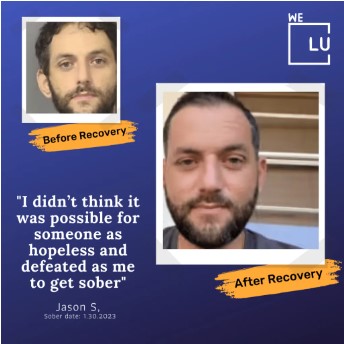
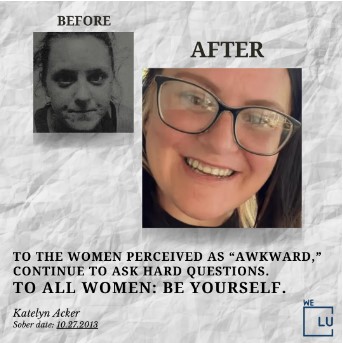
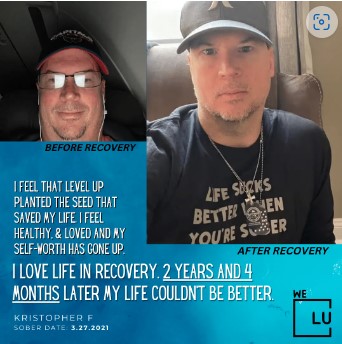
Experience Transformative Recovery at the We Level Up Treatment Center.
See our authentic success stories. Get inspired. Get the help you deserve.
Start a New Life
Begin with a free call to a behavioral health treatment advisor. Learn more about our dual-diagnosis programs. The We Level Up treatment center network delivers recovery programs that vary by each treatment facility. Call to learn more.
- Personalized Care
- Caring Accountable Staff
- Comfortable Amenities
- Licensed & Accredited
- Renowned w/ 5-Star Reviews
We’ll Call You
Frequently Asked Questions
Is depression after drinking normal?
Mild sadness can happen, but strong or repeated depression after alcohol use is not healthy and may signal a deeper issue.
How long does post drinking depression last?
It may last a day or two for some people. For others, especially heavy drinkers, it can last longer.
Can alcohol cause long term depression?
Yes. Heavy or long term alcohol use can increase the risk of ongoing depression.
Should I stop drinking if I feel depressed after?
If drinking leads to low mood, reducing or stopping alcohol is often helpful for mental health.
Can therapy help with alcohol induced depression?
Yes. Therapy helps people understand triggers and build healthier coping skills.
When should I seek help?
Seek help if depression lasts more than two weeks, gets worse or includes thoughts of self-harm.
Take a Step Forward
Depression after drinking is more than a bad mood. It is a real sign that alcohol may be harming your mental health. Drinking and mood changes often form a painful cycle but you can break it. With the right support, your brain and body can heal. If you or someone you love struggles with depression after alcohol use, do not wait. Reach out for professional help today. A caring treatment team can guide you toward stability, recovery, and a healthier future.