

Many people have heard the word narcissist. Most think of someone loud, proud, and always wanting attention. But not all narcissists act that way. Some hide their behavior behind quiet words, soft voices, and shy smiles. This type is called a covert narcissist.
A covert narcissist can be hard to spot. They may look kind, calm, or even insecure. But inside, they still need praise, control, and power. Their behavior can cause deep pain in relationships. If you feel confused, blamed, or always at fault around someone, you may be dealing with hidden narcissism signs.
In this guide, we will explain covert narcissist traits. We will talk about vulnerable narcissist behavior, common narcissistic personality traits, and how these patterns affect mental health and addiction. Most important, we will help you understand that support and healing are possible.

Skip To:
Get Help. Get Better. Get Your Life Back.
Searching for Accredited Dual Diagnosis Mental Health Centers Near You?
Even if therapy failed previously, or are in the middle of a difficult crisis, we stand ready to support you. Our trusted behavioral health specialists will not give up on you. When you feel ready or just want someone to speak to about counseling alternatives to change your life call us. Even if we cannot assist you, we will lead you to wherever you can get support. There is no obligation. Call our hotline today.
FREE 24/7 Dual Diagnosis Mental Health Services HotlineWhat Is a Covert Narcissist?
A covert narcissist is a person who has narcissistic personality traits but shows them in quiet or hidden ways. They do not brag loudly or demand attention in public. Instead, they may act shy, hurt, or misunderstood. They often see themselves as victims, even when they hurt others.
Unlike the loud and bold narcissist, the covert narcissist hides their need for praise. They may fish for compliments by putting themselves down. They may act sensitive to get sympathy. This makes their behavior harder to notice at first.
Many experts call this pattern vulnerable narcissist behavior. The person feels weak or insecure on the outside. But deep down, they still believe they are special and deserve more than others. This mix of low confidence and high self-importance creates emotional confusion in relationships.
Covert Narcissist Traits
Covert narcissist traits can look very different from what people expect. Because they are subtle, many people miss the warning signs. Over time, though, patterns begin to appear.
Below are some common traits of a covert narcissist.
Hidden Narcissism Signs
A covert narcissist often plays the victim. They blame others for their problems and rarely take full responsibility. If something goes wrong, it is always someone else’s fault. They may also hold grudges for a long time. Even small problems can turn into deep anger that they never fully express. Instead of open fights, they may use silent treatment or passive-aggressive comments.
Another hidden narcissism sign is emotional manipulation. They may say things like, “After all I do for you,” to make you feel guilty. Over time, this can lower your confidence and make you doubt yourself.
Sensitive but Self-Centered
Covert narcissists often say they are very sensitive. They may feel hurt easily and react strongly to small criticism. But while they want others to understand their feelings, they struggle to show true empathy. They may listen to you, but they often bring the focus back to themselves. Your pain becomes a way for them to talk about their own struggles. This makes conversations feel one-sided and emotionally draining.
This pattern can be very confusing. At first, they seem caring. Later, you may realize your needs rarely come first.

End the Emotional Pain. Get Your Life Back.
Feeling Depressed, Anxious or Struggling with Mental Health Illness? Get Safe Comfortable Mental Health Dual Diagnosis High-Quality Therapy From Counselors That Care. Begin Your Recovery Now.
Hotline (855) 940-6125Covert Narcissist vs. Overt Narcissist
Many people think all narcissists act the same. That is not true. There are important differences between covert and overt narcissism. An overt narcissist is loud, proud, and clearly seeks attention. They brag about success and demand praise. Their confidence may seem strong, but it often hides deep insecurity.
A covert narcissist, on the other hand, appears quiet or shy. They may avoid the spotlight but still crave recognition. Instead of bragging, they may complain about being unappreciated. Both types share narcissistic personality traits such as entitlement and lack of empathy. The difference is in how those traits show up.
Understanding this difference helps you see why hidden narcissism signs can be hard to detect. The damage may feel subtle at first, but over time, the emotional impact can be just as strong.
How Covert Narcissism Affects Relationships
Being in a relationship with a covert narcissist can feel confusing and painful. At first, they may seem kind, thoughtful, and even deeply caring. They often move slowly and build trust over time.
As the relationship grows, small changes begin to appear. They may criticize you in quiet ways. They may question your memory of events. You might start to feel unsure of yourself. This can lead to anxiety, low self-esteem, and emotional stress.
Many loved ones describe feeling like they are always walking on eggshells. They try to avoid upsetting the covert narcissist. Over time, this constant stress can affect mental health and even lead to unhealthy coping habits such as substance use.
Covert Narcissist Test

Welcome to the Covert Narcissist Test, a powerful tool designed to shed light on a complex personality trait that often remains hidden beneath a charming exterior. This "Am I a Covert Narcissist quiz " aims to provide you with insights into covert narcissism, enabling you to better understand yourself or someone you know. It is important to note that this test is not a substitute for professional medical or psychological diagnosis. Instead, it serves as a valuable self-assessment tool, offering you a glimpse into covert narcissistic tendencies.
Before we delve into the intricacies of covert narcissism, it is crucial to acknowledge that this test is not intended to diagnose or treat any mental health condition.
*By taking this free quiz, you may obtain your results online and in your email box. You’ll have the opportunity to opt-in to learn more about your symptoms, talk to a mental health consultant and join our newsletter. Rest assured your information is private and confidential. Results, consultations and assessment are provided without any cost to you and without any obligation. If you do not wish to provide your contact information, you may omit it during your quiz. Thank you for opting in and participating. To you best of health.
First-class Facilities & Amenities
World-class High-Quality Mental Health Services & Behavioral Health Substance Abuse Treatment
Rehab Centers TourRenowned Mental Health Centers. Serene Private Facilities. Inpatient Rehab Programs Vary.
Mental Health Helpline (855) 940-6125Proven recovery success experience, backed by a Team w/ History of:
15+
Years of Unified Experience
100s
5-Star Reviews Across Our Centers
10K
Recovery Successes
- Comprehensive Dual-Diagnosis Treatment
- Complimentary Family & Alumni Programs
- Coaching, Recovery & Development Events
- Comfortable Onsite Medical Detox Center
Covert Narcissist and Addiction
There is a strong link between personality disorders and addiction. Some people with narcissistic personality traits may turn to alcohol or drugs to cope with deep shame or insecurity.
Substance use can increase manipulative behavior and emotional instability. It may also make vulnerable narcissist behavior more intense. Mood swings, blame, and emotional control can become stronger under the influence of drugs or alcohol.
At the same time, living with a covert narcissist can push loved ones toward unhealthy coping skills. Chronic stress, confusion, and emotional pain can increase the risk of anxiety, depression, and substance misuse. This is why mental health and inpatient treatment often go hand in hand.
What Causes Covert Narcissism?
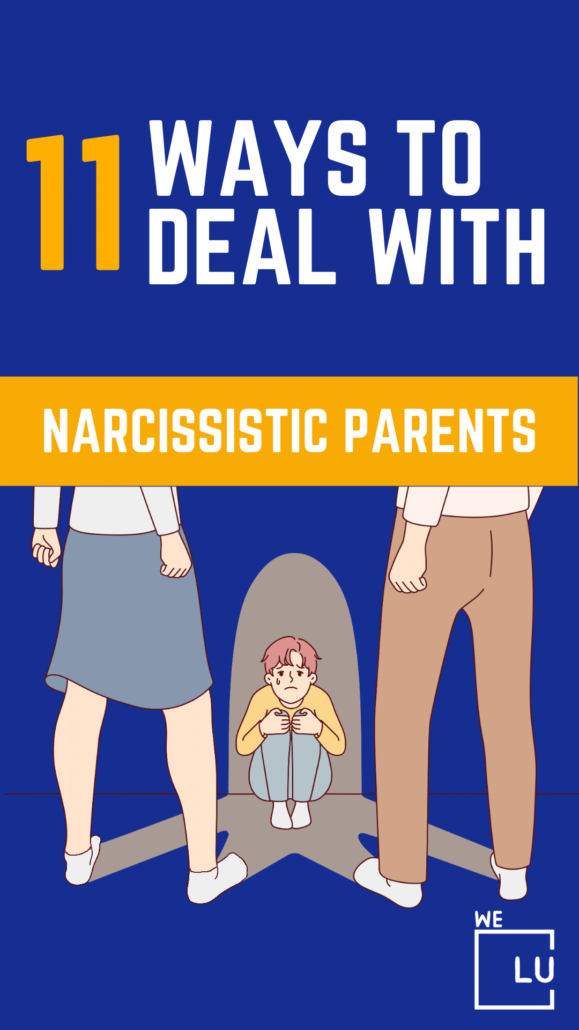
Covert narcissism does not happen overnight. It often develops over many years. Most experts believe it begins in childhood. A child may grow up feeling unseen, criticized, or never good enough. Over time, the child builds a false self to feel safe.
Some children receive too much praise without learning empathy. Others receive too little love and support. In both cases, the child may grow up believing they must protect themselves at all costs. This protection can turn into narcissistic personality traits later in life.
Trauma can also play a role. Emotional neglect, abuse, or unstable caregiving may create deep insecurity. A covert narcissist may look sensitive on the outside, but inside they carry strong feelings of shame and fear. Their behavior becomes a way to avoid facing those painful emotions.

Long-Term Effects on Mental Health
Living with a covert narcissist can slowly affect your mental health. At first, you may feel confused. Later, you may feel anxious, sad, or emotionally drained. Constant blame and guilt can lower your self-worth over time.
Many people begin to question their memory and judgment. This happens when the covert narcissist denies events or changes the story. This pattern is often called gaslighting. It can make you feel unsure about what is real and what is not.
Long-term stress can also affect your body. You may have trouble sleeping, feel tense, or experience headaches and stomach pain. Emotional pain does not stay in the mind alone. It often shows up physically as well.
World-class, Accredited, 5-Star Reviewed, Effective Mental Health Dual Diagnosis Programs. Complete Integrated Inpatient Rehab with Free Post Discharge Therapy Planning.
CALL (855) 940-6125End the Emotional Pain Rollercoaster. Gain Stability & Happiness Through Recovery Treatment. Start Mental Health Counseling Today. Get Free No-obligation Guidance by Behaviroal Health Specialists Who Understand Mental Health Recovery.
How to Respond to a Covert Narcissist
Dealing with a covert narcissist requires patience and strong boundaries. You cannot change their behavior by arguing or proving your point. They often twist conversations to protect their image. The first step is to stay calm and grounded. Speak clearly and avoid emotional reactions when possible. Do not over explain yourself. Short, firm statements work better than long debates.
It also helps to set clear boundaries. Decide what behavior you will accept and what you will not accept. If the person crosses a boundary, follow through with a consequence. This might mean ending a conversation or leaving the room.
Protecting Your Emotional Health
Your mental health matters. When you deal with vulnerable narcissist behavior, you may feel pressure to fix or rescue the person. Remember that you are not responsible for their emotions. Focus on self-care and support. Talk to trusted friends or family members. Keep a journal to track events if you start to doubt yourself. Writing things down can help you see patterns clearly.
If the relationship becomes emotionally unsafe, you may need to consider distance. In some cases, limiting contact protects your peace and well-being.
When to Seek Professional Help
It can be hard to know when to ask for help. If you feel anxious, depressed, or overwhelmed most days, it may be time to speak with a mental health professional. Therapy provides a safe space to sort through your feelings.
If addiction is involved, treatment becomes even more important. Substance use can make covert narcissist traits more harmful. Professional support can address both mental health and addiction at the same time.
You do not need to wait for a crisis. Early support can prevent deeper emotional harm. Whether you are the person struggling with narcissistic personality traits or the loved one affected by them, help is available.
Treatment Options for Covert Narcissism
Treating covert narcissism can be challenging, but change is possible. The person must be willing to look at their behavior honestly. Therapy often focuses on building empathy, emotional awareness, and healthy coping skills.
Dialectical Behavior Therapy helps people understand their thoughts and reactions. It teaches healthier ways to respond to stress and criticism. Over time, this can reduce hidden narcissism signs and improve relationships.
For those dealing with addiction, a full treatment program may include:
- Medical detox if needed
- Individual therapy
- Group counseling
- Family therapy
- Relapse prevention planning
Integrated care treats the whole person, not just one symptom. Mental health and substance use often connect deeply so both must be addressed together.
Healing for Loved Ones
If you love someone who shows covert narcissist traits, you may feel tired and confused. Healing starts with understanding that their behavior is not your fault. You did not cause it and you cannot fix it alone. Support groups and therapy can help you rebuild confidence. Learning about narcissistic personality traits helps you spot patterns early. Education brings clarity and clarity brings strength.
Recovery also means reconnecting with yourself. Spend time doing activities that bring joy and peace. Healthy relationships should feel safe and respectful. You deserve that safety.
Experience Transformative Recovery at the We Level Up Treatment Center.
See our authentic success stories. Get inspired. Get the help you deserve.
Start a New Life
Begin with a free call to a behavioral health treatment advisor. Learn more about our dual-diagnosis programs. The We Level Up treatment center network delivers recovery programs that vary by each treatment facility. Call to learn more.
- Personalized Care
- Caring Accountable Staff
- Comfortable Amenities
- Licensed & Accredited
- Renowned w/ 5-Star Reviews
We’ll Call You
Frequently Asked Questions
-
What is the difference between a covert narcissist and a vulnerable narcissist?
The terms covert narcissist and vulnerable narcissist often mean the same thing. Both describe a person who shows narcissistic personality traits in quiet and hidden ways. Instead of acting bold or superior, they may appear shy, insecure or deeply sensitive. They still crave praise and control, but they express it through guilt, blame or victim behavior. The key difference from overt narcissism is the softer outer image.
-
What are the most common covert narcissist traits?
Common covert narcissist traits include playing the victim, holding grudges, being passive aggressive and struggling to show real empathy. They may feel hurt easily but react with silent treatment instead of open anger. They often blame others for problems and avoid taking responsibility. Over time, their behavior can make loved ones feel confused, anxious, or emotionally drained.
-
Are hidden narcissism signs hard to detect?
Yes, hidden narcissism signs can be difficult to see at first. A covert narcissist may appear caring, thoughtful or even humble in the beginning. The harmful patterns often show up slowly. You may notice guilt trips, subtle criticism, or emotional withdrawal over time. Many people do not recognize the behavior until their self-confidence begins to suffer.
-
Can a covert narcissist change?
Change is possible, but it requires willingness and commitment. A person must accept that their behavior causes harm. Therapy can help them build empathy, improve emotional awareness and learn healthy coping skills. Without professional help, lasting change is rare. Growth begins when the person chooses to take responsibility for their actions.
-
How does covert narcissism connect to addiction?
Some people with narcissistic personality traits use drugs or alcohol to cope with shame or insecurity. Substance use may increase mood swings, blame and manipulation. At the same time, living with a covert narcissist can push loved ones toward unhealthy coping habits. That is why mental health and addiction treatment often work best together.
-
When should I seek help for myself?
If you feel anxious, depressed, confused, or emotionally unsafe, it may be time to seek help. You do not need to wait until things become severe. Therapy can provide clarity and support early on. If addiction is part of the situation, professional treatment can protect your health and your future.
Watch How to Improve Mental Health? 8 Steps & Tips for Maintaining Your Mental Wellbeing. Find Top Mental Health Tips & Anxiety Tips Advice from a Therapist.
Ready to Get Started?
Living with a covert narcissist can feel confusing and painful. Hidden narcissism signs often create self-doubt, stress and emotional exhaustion. Whether you struggle with vulnerable narcissist behavior yourself or feel hurt by someone close to you, healing is possible. You deserve support, safety and peace of mind. If mental health challenges or addiction are part of your story, reaching out can change your life. Our caring team is ready to listen, guide, and help you take the next step toward recovery today.